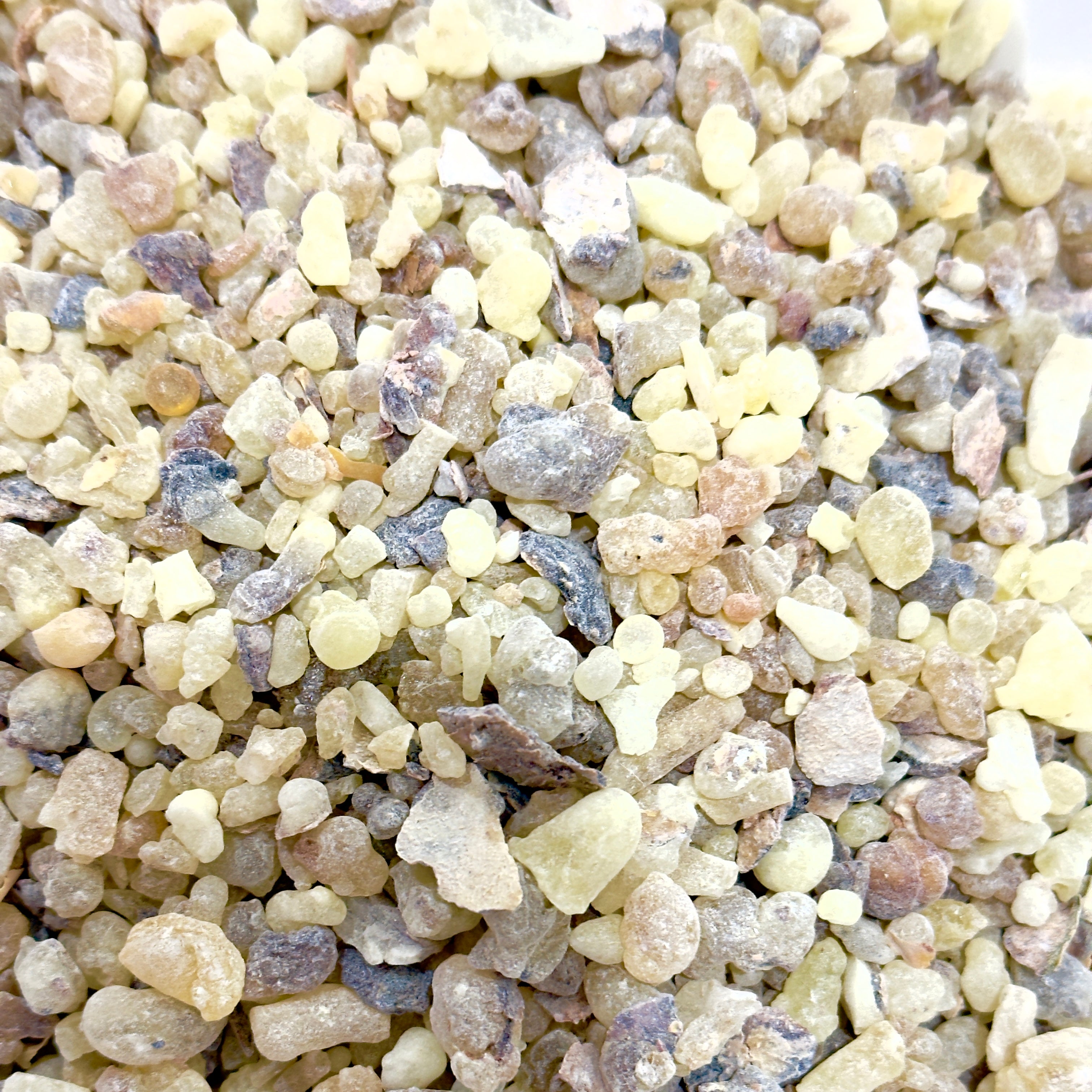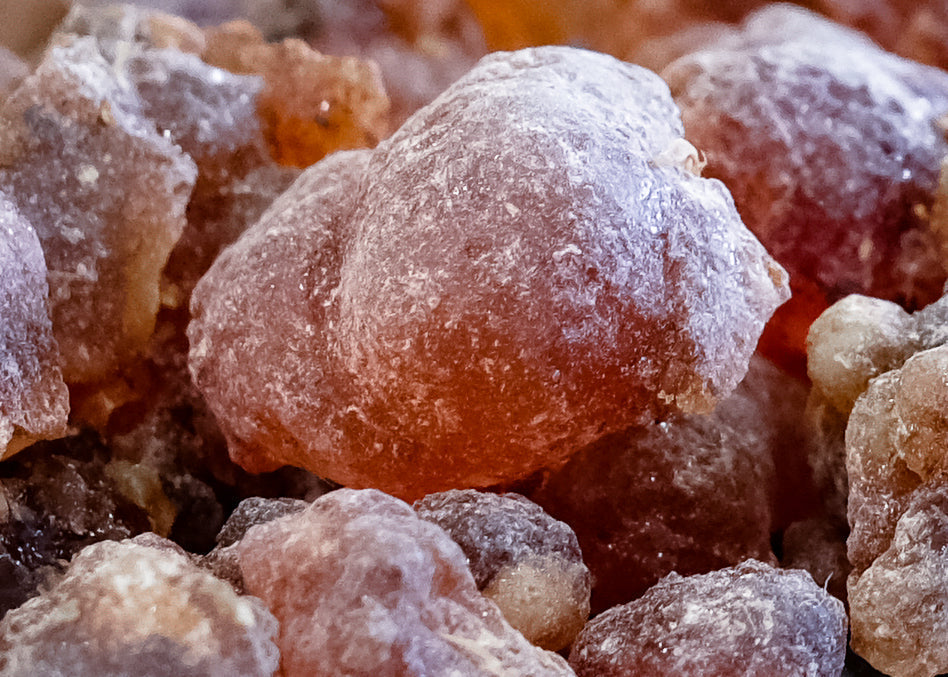
RARE Kua Myrrh

New harvest has arrived! Limited quantities. ORDER yours today.

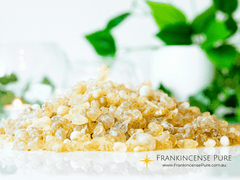
Fresh Frankincense Granules

Get more frankincense for less!
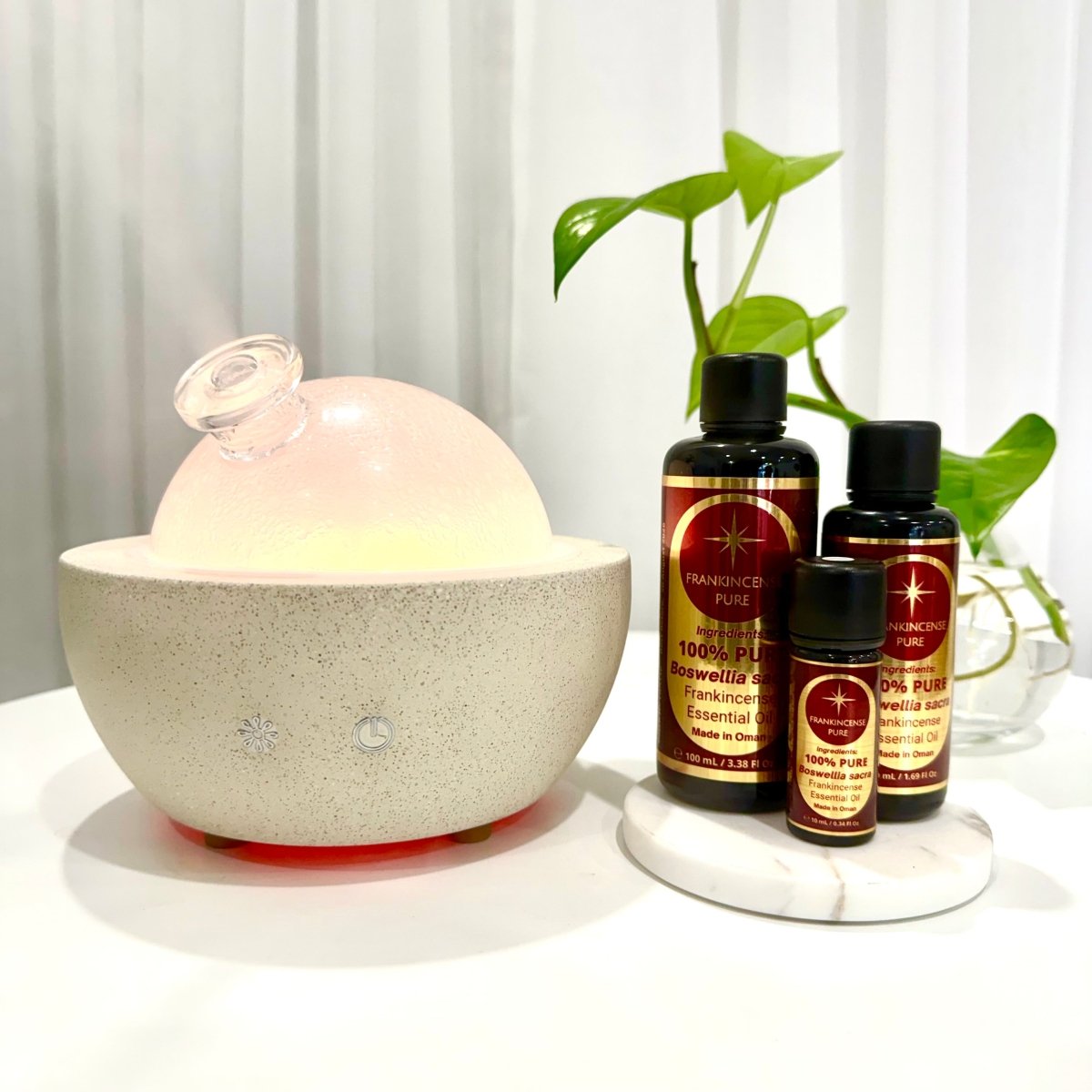
Frankincense Oil | Oman | Boswellia Sacra (100% Pure Essential Oil)

SPECIAL PROMOTION

Purchase 1 Diffuser + 1 Oil

Receive a FREE Frankincense and Myrrh Kit
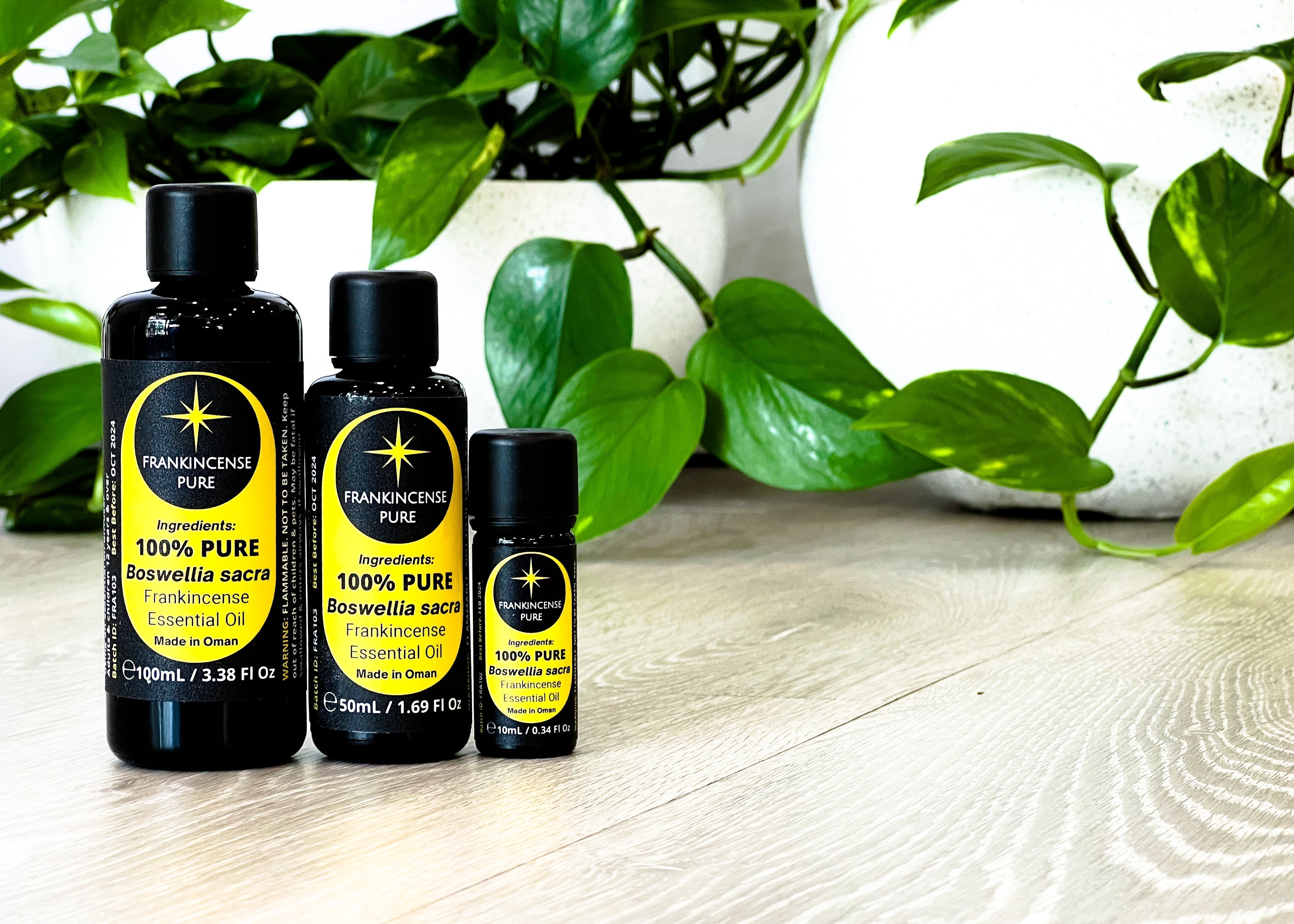
100% PURE Frankincense Essential Oil

100% Boswellia SACRA in a protective Biophotonic Ultra Violet Glass Bottle
Love our Earth

Welcome to the ancient and treasured world of frankincense

Explore with us why frankincense and myrrh have been revered for thousands of years since antiquity

Come and inhale the captivating aromas, and the reported healing qualities of 100% pure frankincense and myrrh resins, and essential oils.

New store now open! We will demonstrate how these will work for you, your home and your practice.

Visit us at 76A Penshurst Street, Penshurst NSW 2222, Australia

Incense

Since antiquity, frankincense and myrrh have been used for thousands of years and are still cherished for their alleged numerous benefits in our modern world today. Traditionally they’ve been used for religious, cultural, medicinal, spiritual and perfumery purposes.

Frankincense is one of the most important incenses in human history.

Discover the wonders of this natural incense, and browse our premium quality resins and oils at Frankincense Pure.
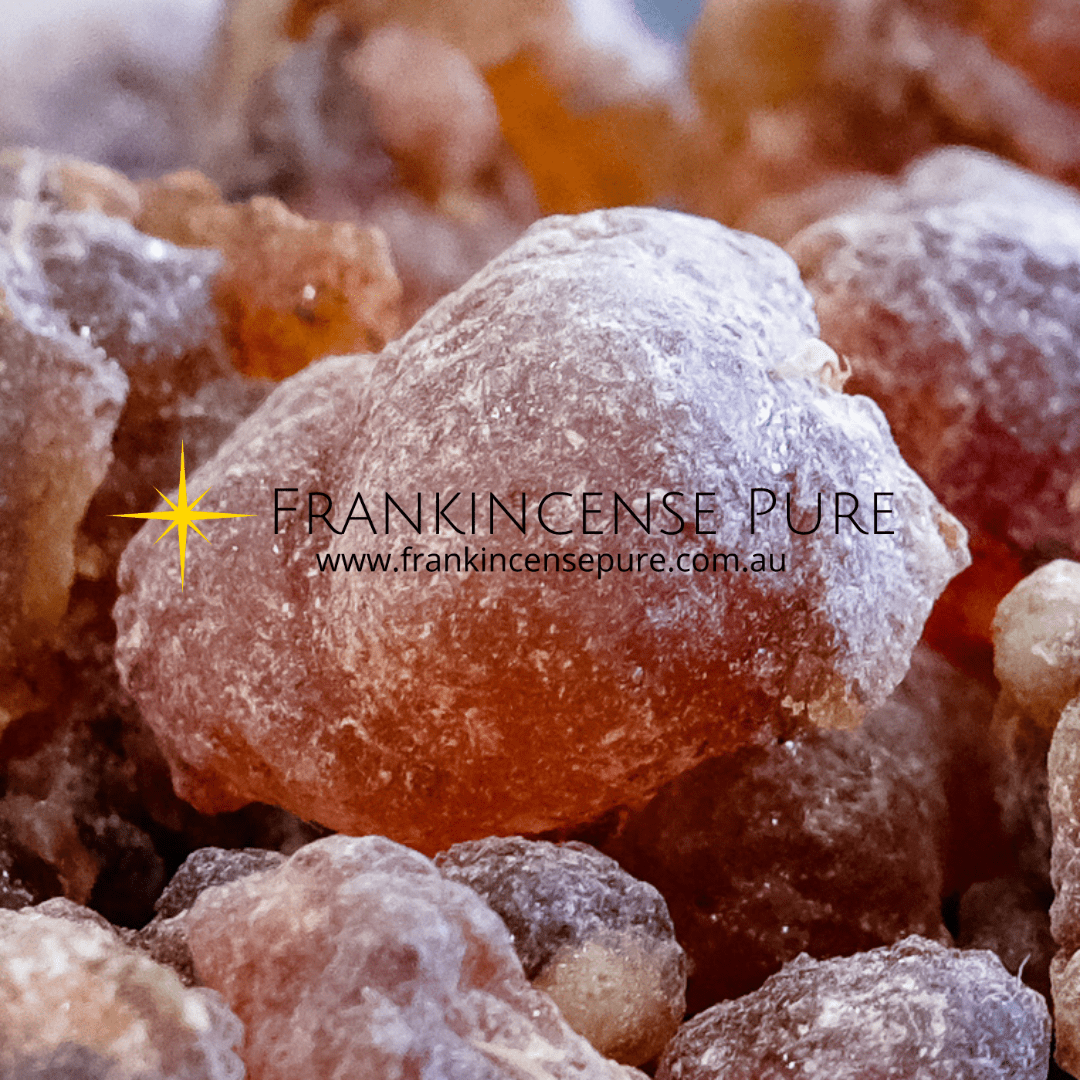
VERY RARE Commiphora Kua from Socotra Island (Yemen)

New harvest has arrived!Sells out fast. Limited quantities available.

This extremely RARE myrrh resin is highly prized for its harmonious perfumed-like aroma, which is notably different to all other myrrh varieties.  It has a delicious nectar and honey scent.

It's become a favourite both in-store and online. Limited quantities available. Where possible we'll offer a pre-order.

⭐️ Sustainably and ethically harvested at fair market rates ⭐️

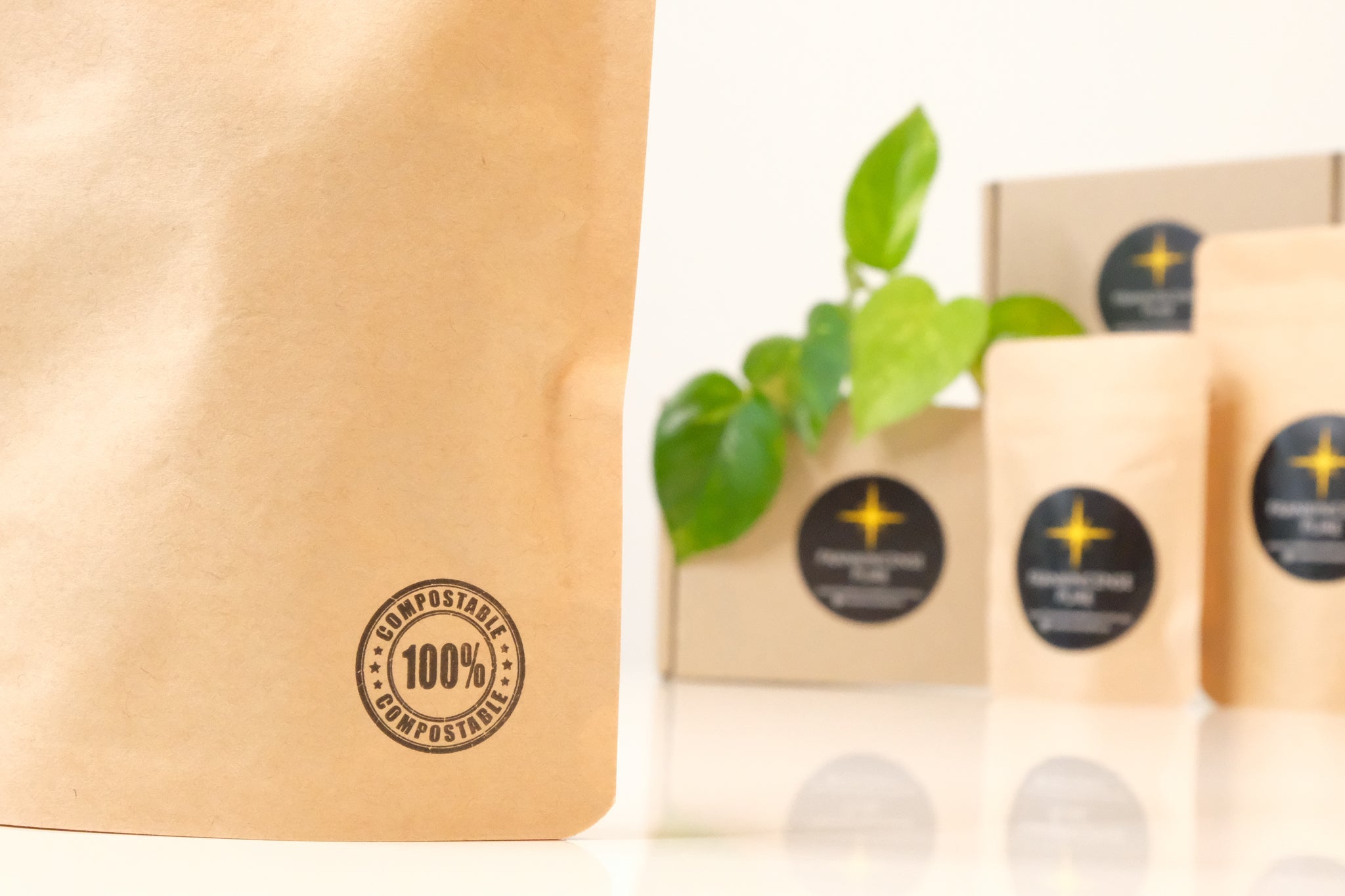
100% Compostable. Love our Earth
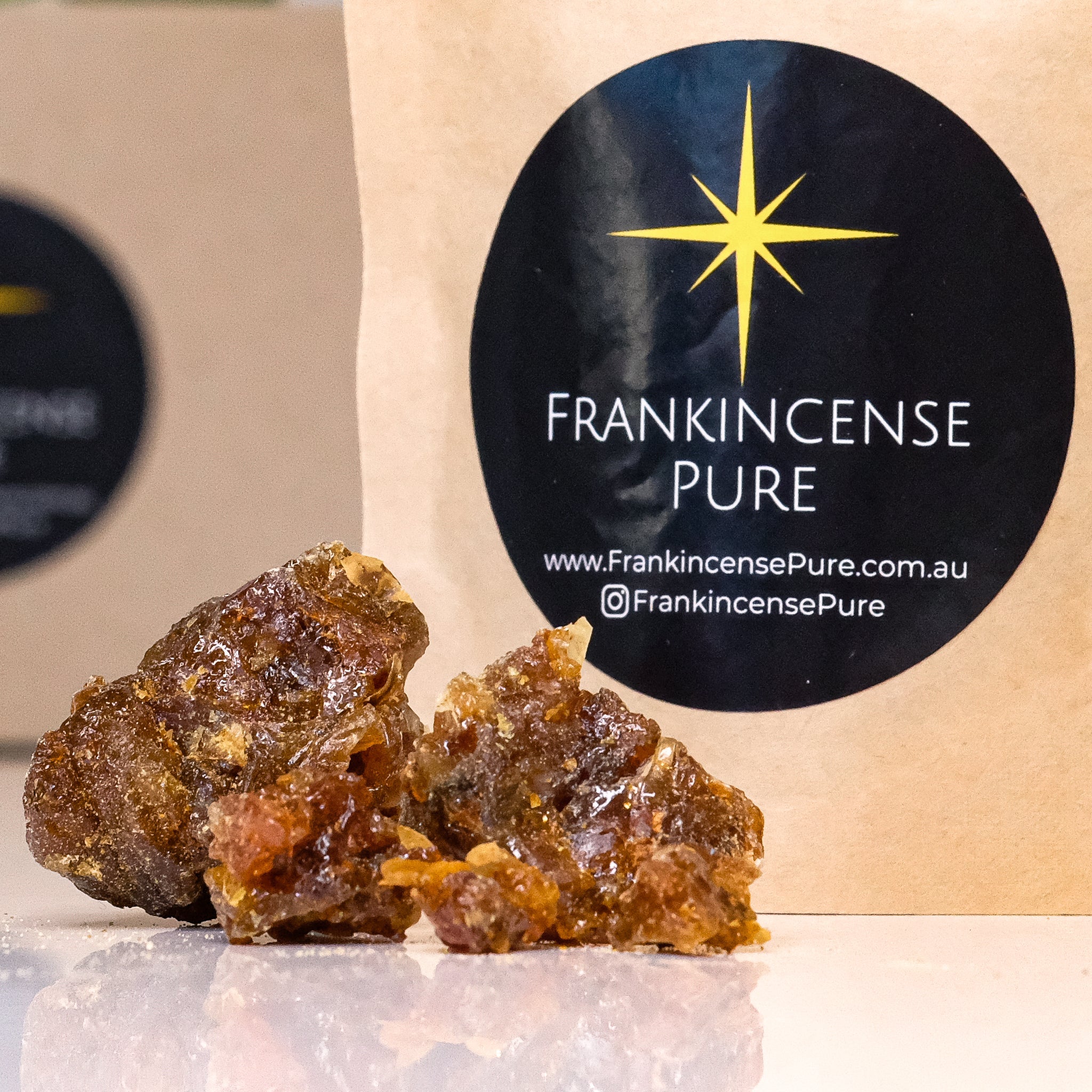
RARE Sacred Myrrh

Introducing RARE Sacred Myrrh from Socotra Island (Yemen). If you're new to myrrh or an enthusiast, you'll appreciate the full bodied aroma of this rare premium grade quality.

Limited quantities available. 

⭐️ Sustainably and ethically harvested at fair market rates ⭐️
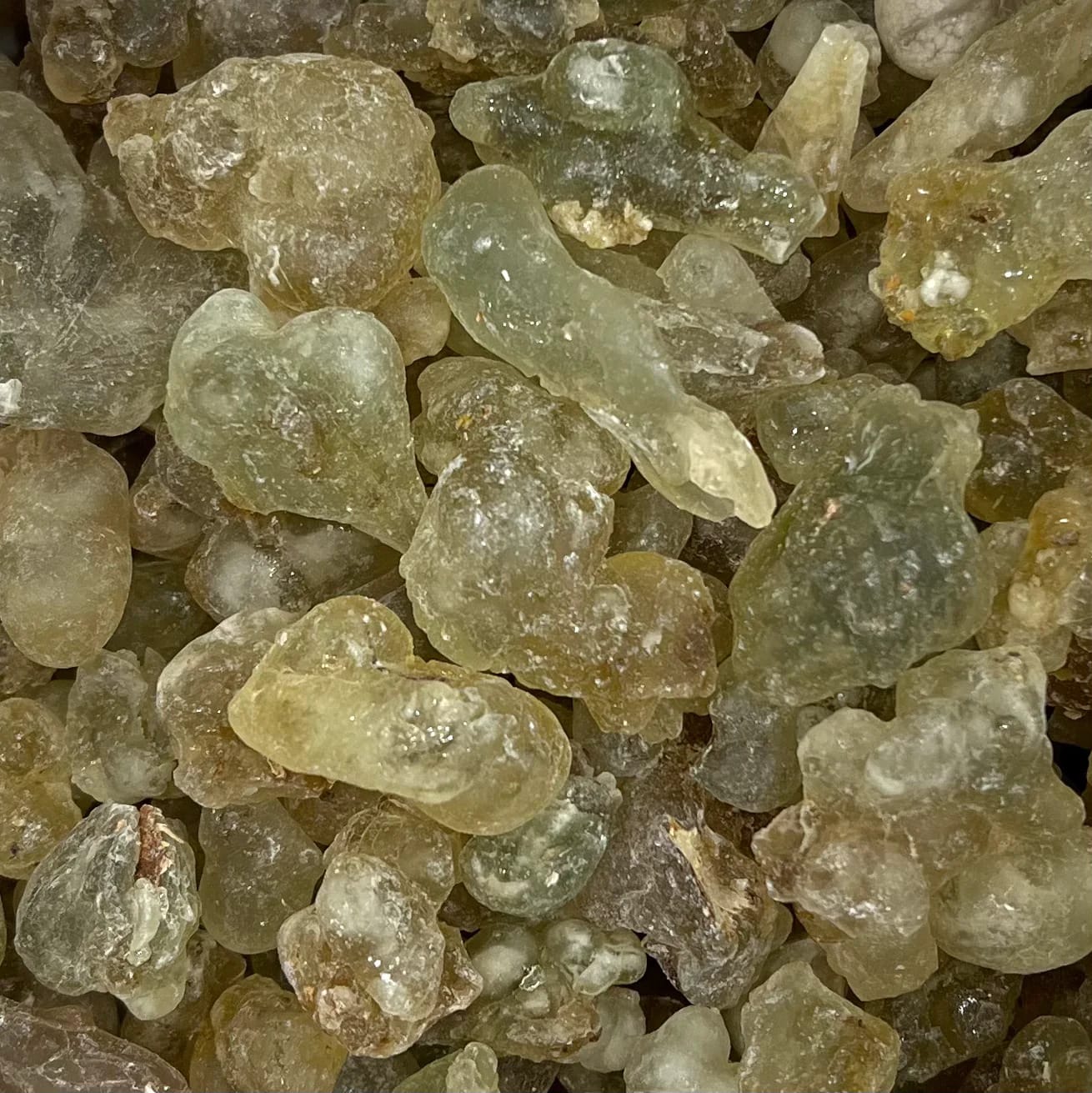
Fresh Royal Green Hojari

Enjoy the captivating aroma of one our most popular Omani resins
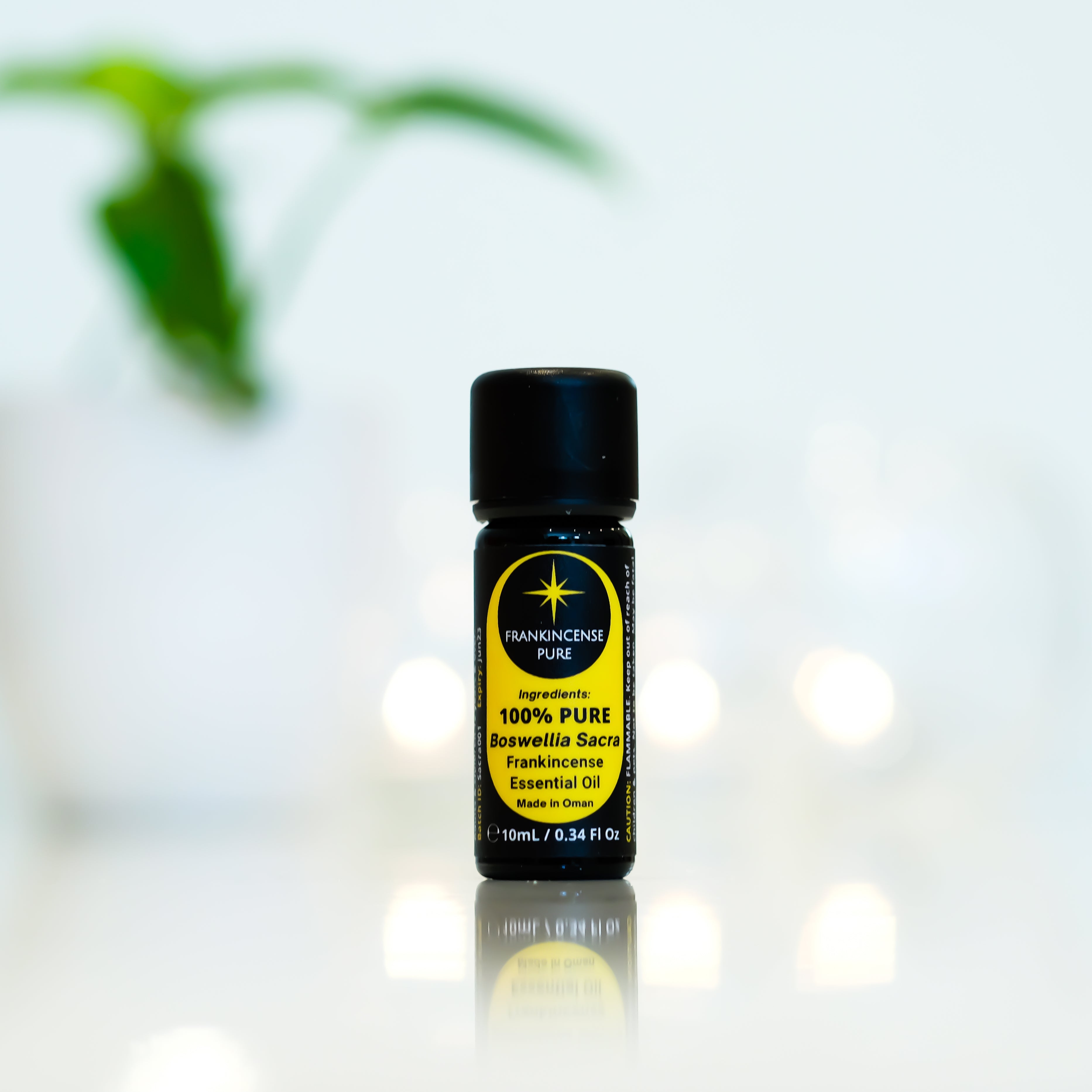
Introducing 100% Pure Frankincense Essential Oil (Boswellia Sacra) from Oman

Frankincense is one of the most sacred and treasured essential oils in the world. It has been used for centuries for its therapeutic properties, and is known to have a calming and relaxing effect.

Our 100% Pure Boswellia Sacra Frankincense Essential Oil is steam distilled in Oman from real, natural Boswellia Sacra frankincense resins. Our essential oils are hand-bottled directly by us in Australia in high quality Biophotonic Violet Glass Bottles to protect its delicate properties from light exposure, ensuring that the delicate molecules are preserved. 
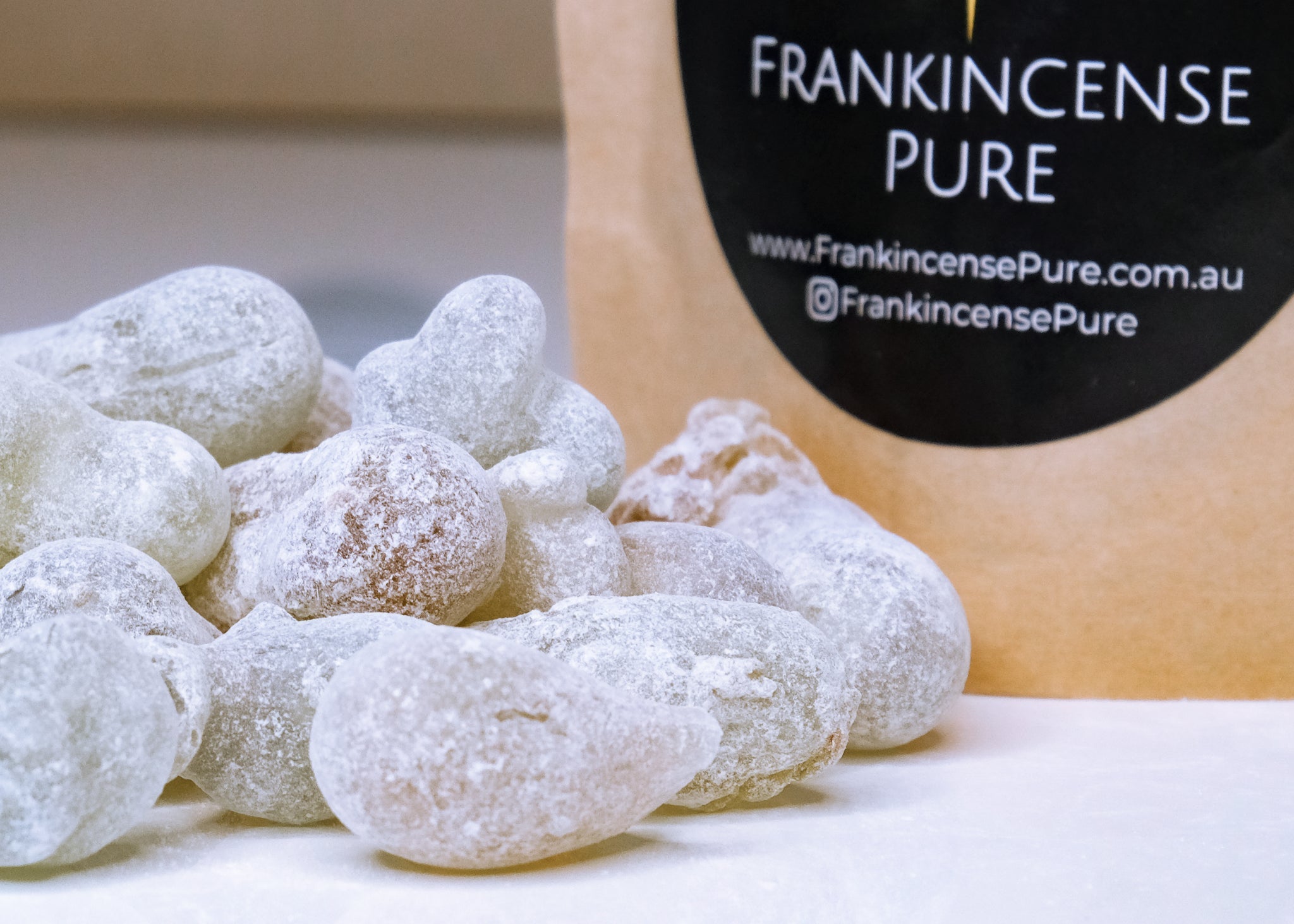
RARE Sultan's Grade

Highly sought worldwide

WHAT OUR CUSTOMERS ARE SAYING
"

⭐️⭐️⭐️⭐️⭐️ I now only buy the good stuff and these guys deliver quality - quickly, and at a great price! A friend recommended this site and now it’s the only supplier I use.

"
Owen A.
"

⭐️⭐️⭐️⭐️⭐️ We love the resin. We use it everyday to cleanse ourselves and our apartment. FRANKINCENSE PURE were also a pleasure to deal with. Thank you.

"
Frank & Llacey S.
"

⭐️⭐️⭐️⭐️⭐️ A 5 star experience, highly recommended. I have always experienced excellent customer service and top quality products. Thank you Frankincense Pure.

"
Diane L.
"

⭐️⭐️⭐️⭐️⭐️ Loving & enjoying my frankincense. High quality & excellent value. Thank you so much!

"
Chris Y.
"

⭐️⭐️⭐️⭐️⭐️ Fabulous product, great quality and value, very pleased!

"
Polly H
"

⭐️⭐️⭐️⭐️⭐️ Love the sweet smell of the frankincense, brings me joy! Thank you for the great products and value.

"
Marie C.

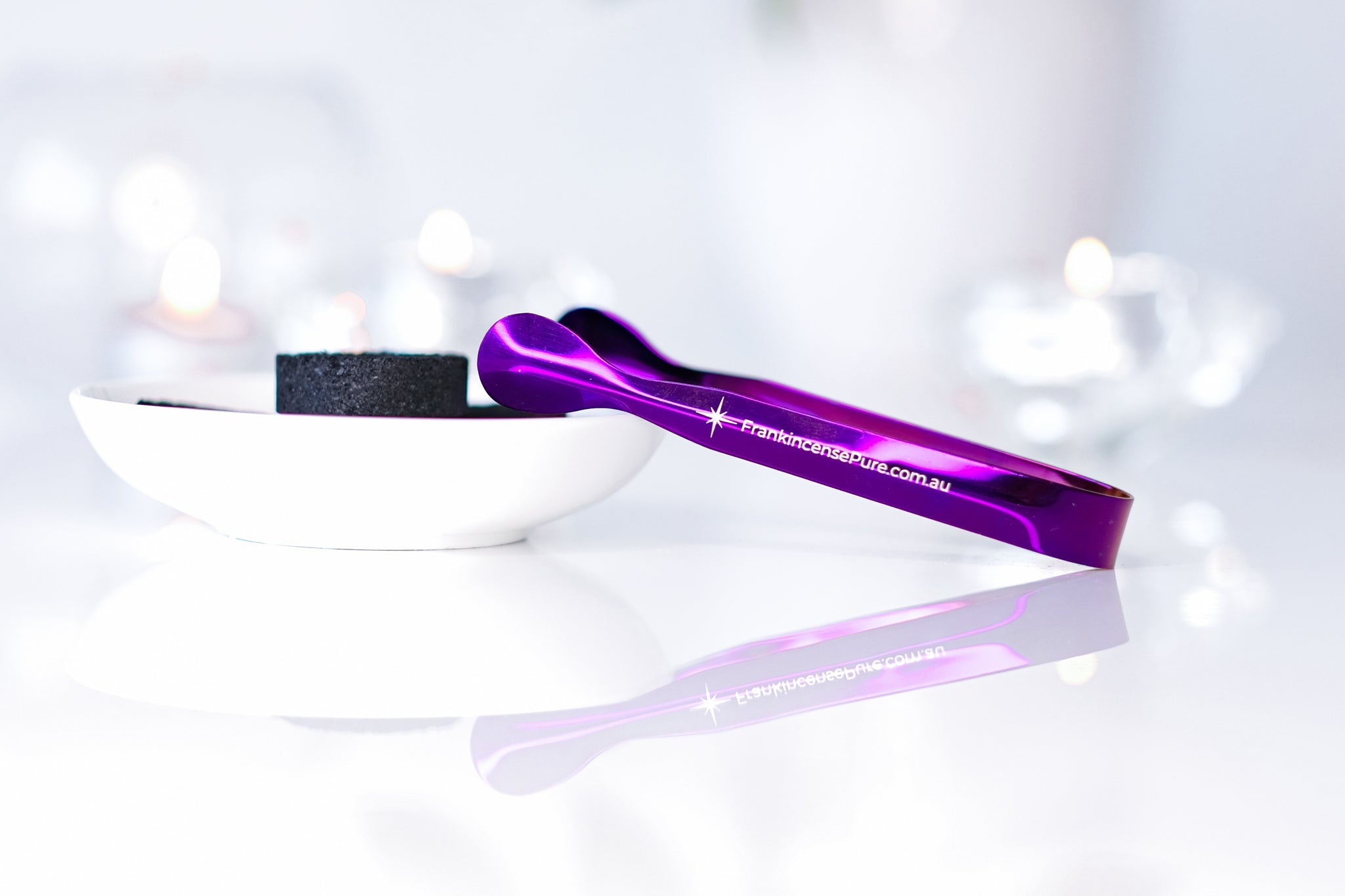
Mini Tongs make it easy

Choose from 8 exciting colours!

INCENSE - FAQS

Incense in Australia and around the world comes in different forms. It is known for its aromatic scent and in some cases, it’s alleged to help calm and relax.

With natural incense, this is sourced from a plant and can be in the form of a hardened resin (from specific tree species) or in the form of bark, seed, root or flowers.

Frankincense and myrrh, some of the most popular and ancient forms of natural incense, are both resin incenses.

Natural incense has been part of humankind's spiritual lives for thousands of years, as the aromas were believed to ward off bad smells or evil spirits.

Natural incense, such as frankincense and myrrh, start off as a sticky gum-like substance from small deliberate incisions made in the trunk and thicker branches of the Boswellia genus, for frankincense, and Commiphora genus, for myrrh. When exposed to the air, the resin starts to harden.

After a number of weeks, the hardened resin is harvested from individual trees and allowed to dry to prevent clumping before it is post harvested which includes cleaning, sorting, grading and packing for transportation.

Frankincense and myrrh are the most well-known resin incenses. They have been valued for their aromatic properties for thousands of years.

Frankincense comes from the genus Boswellia, a type of tree that belongs to the Burseraceae family. The more popular species you may be familiar with are Boswellia Sacra, Boswellia Carterii and Boswellia Serrata.

Boswellia Sacra is native to the Arabian Peninsula (Oman and Yemen) and horn of Africa, Boswellia Carterii is native to Somalia, and Boswellia Serrata is native to India, Arabian Peninsula and Africa. Boswellia Serrata is sometimes referred to as Indian frankincense.

Similarly, myrrh also belongs to the Burseraceae family, and is from the genus Commiphora. A popular species you may be familiar with is Commiphora myrrha. Did you notice the different spelling? Scientifically the species is referred to as Commiphora myrrha. Myrrh is derived from the Latin word myrrha.

Commiphora myrrha is native to the Arabian peninsula (Oman and Yemen) and to Africa (Djibouti, Ethiopia, Somalia and Northeast Kenya).

In times of antiquity, they were even considered more valuable than gold. Frankincense had been found in the tomb of Tutankhamun, the Ancient Egyptian pharaoh, and myrrh is also known to have been carried by the affluent in small pouches around their necks.

Sourced from plant materials such as resin, bark, roots and flowers, natural incenses have more volatile and complex aromatic compounds, with less risk of anything nasty lurking inside.

If you prefer warm scents that give a woody or earthy feel, then myrrh, sandalwood and cedarwood may be an option. They give complex undertones that bring a sense of welcome to any space.

Or, if you're after a pure resin incense that's a powerhouse for aromatic purposes, we suggest frankincense, with its notable citrus and pine aroma together with earthy undertones. Frankincense may be able to allay some of the effects of anxiety, through its effect on the olfactory centre in the head, according to a study from 2008 (CLICK HERE to read the source article).

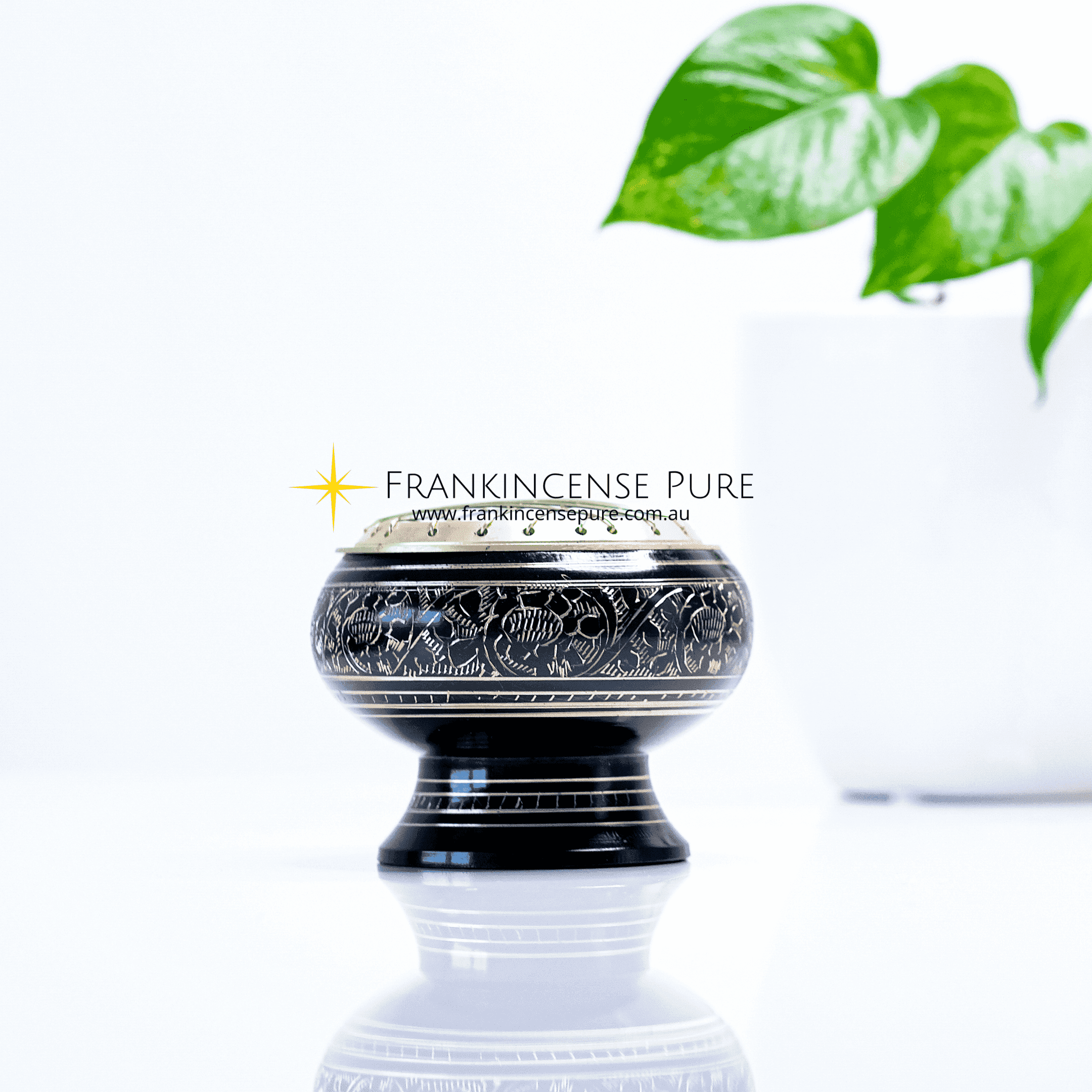
When it comes to using incense in Australia, traditionally resin incense is burned using a charcoal tablet (also known as a disc or puck) and a charcoal incense burner. Charcoal provides an intense resin incense aroma.

Frankincense resin is typically burnt using a charcoal tablet (also known as a disc or puck) and a charcoal incense burner. This process releases the natural oil contained within the resin. It’s quite common to mix both frankincense and myrrh together, their aroma is very complimentary, creating yet another unique aroma to tantalise your senses. We often recommend 2-3 parts frankincense to 1 part myrrh but we encourage you to experiment and create your own favourite blend.

For a brief demonstration of how to burn resin on charcoal, CLICK HERE to watch our short video.

For a brief demonstration of how to burn resin in a tealight incense burner, CLICK HERE to watch our short video.

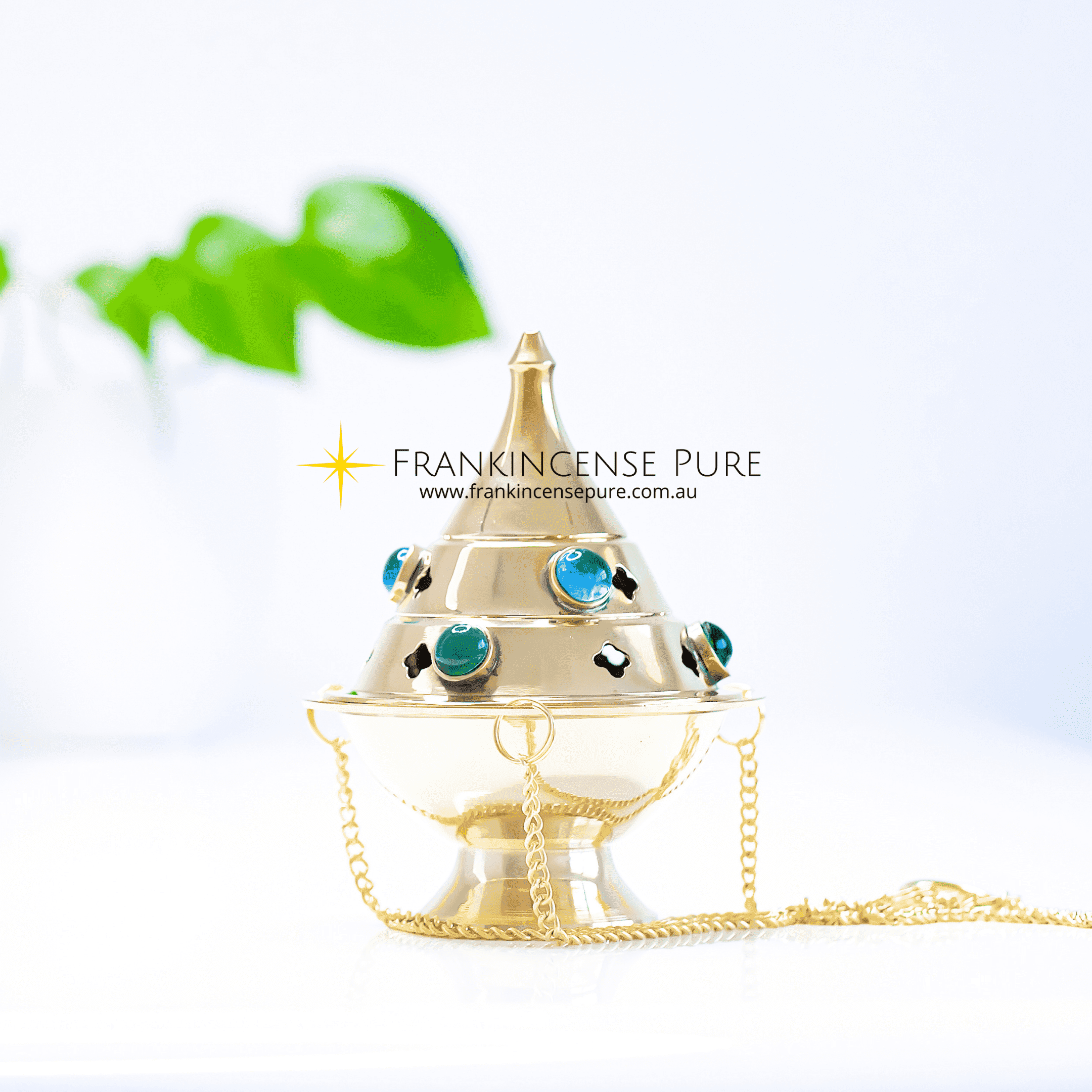
Or, if you’re looking for an alternative method that doesn’t require charcoal, you can also try heating resin incense in a tealight incense holder for a subtle and gentle burn. Choose from ceramic incense burners or brass burners made especially for tealight candles.

At Frankincense Pure we always put safety first. To safely burn incense in Australia, either on charcoal or in a tealight incense burner, ensure it’s out of reach of children and pets and that the area is well ventilated. Never leave your burner unattended and always ensure your burner is on a heat proof surface, away from all flammable items.

Step-by-step how to burn resin incense on charcoal

TO START, hold the charcoal safely with a pair of tongs (never handle the charcoal directly). Light the charcoal with a lighter or match (we prefer using easy light charcoals and a click flame lighter with a long reach). Hold the flame to the edge of the charcoal until it ignites. Don’t worry if it doesn’t work on your first attempt, keep repeating until you see orange sparkles travelling through the charcoal (there shouldn’t be an actual flame, only sparkles). A COMMON MISTAKE is when people assume the charcoal has ignited – when it hasn’t. Or it may be only partially lit and they wonder why the charcoal doesn’t retain its heat for long. In most cases, this is because the charcoal has not been fully ignited.

If you want to speed up this initial ignition process, continue to apply the flame from your lighter or match to the entire circumference of the charcoal until you’re happy it’s been fully ignited with orange sparkles travelling through the charcoal. This can take from 30 to 60 seconds. ONCE FULLY IGNITED, place your charcoal in your incense burner.

THEN - WE HIGHLY RECOMMEND YOU WAIT ABOUT 5 TO 10 MINUTES until the charcoal eventually turns grey. This provides the charcoal sufficient sitting time to reach the desired temperature to enable an even and longer burn time.

NOW – PLACE YOUR FAVOURITE RESIN INCENSE on the charcoal and enjoy the heavenly aroma!

The charcoal will generally stay warm, continuing to release the aroma of frankincense anywhere between 30 minutes to an hour, depending on your lighting technique, rate of air circulation, room temperature, type of incense burner and brand of charcoal. During the single use of your charcoal, you may need to replace your used resins with new ones. The burn time per resin is dependent upon a number of variables such as the clump size, oil concentration, age, quality and origin of your resin.

Enjoy the welcoming and relaxing aroma of your favourite resin incense.

TIP: Some people prefer to place a layer of sand between the base of the incense burner and the charcoal to provide heat insulation. Or some people prefer to place a thin layer of sand on top of the charcoal, then place the resin on top of the sand. You may want to experiment to find what works for you.

At Frankincense Pure, we provide frankincense resin and myrrh resin in their raw natural form. Mixing your favourite frankincense resin together with other natural resins such as myrrh provides yet another unique aroma. To buy frankincense and myrrh, check out our collection at Frankincense Pure.

⭐️ ULTRA RARE ⭐️ Asplenifolia Frankincense Socotra Island Yemen (Boswellia Asplenifolia) ⭐️ ULTRA RARE ⭐️ Asplenifolia Frankincense Socotra Island Yemen (Boswellia Asplenifolia)
⭐️ ULTRA RARE ⭐️ Asplenifolia Frankincense Socotra Island Yemen (Boswellia Asplenifolia) from $30.00
Last Updated: 30 March 2026 | Reviewed for botanical accuracy against Kew Science POWO database and IPNI records Boswellia Asplenifolia: Premium Asplenifolia Frankincense Resin — Rare, Pure & Ethically Sourced from Socotra Island Quick Summary What it is: Rare aromatic resin from Boswellia asplenifolia trees, endemic to Socotra Island, Yemen Aroma: Sweet citrus-balsamic top notes, warm resinous heart, deep woody amber base Rarity: Island-endemic species — wildcrafted, no plantation supply, limited annual yield Best for: Incense collectors, meditation, natural perfumery Quality: Quality-small fresh batches, wildcrafted Regulatory: For aromatic and incense use only — not a therapeutic good (TGA/FDA compliant) Boswellia asplenifolia is one of the world's rarest frankincense species — an asplenifolia frankincense resin endemic to the extraordinary island of Socotra, Yemen, prized by aromatherapists, incense collectors, and traditional practitioners for its complex citrus-balsamic aroma and exceptional purity. Unlike mass-produced frankincense varieties, this rare frankincense resin is wildcrafted in small quantities from ancient trees on one of the world's most botanically significant islands — making each batch a genuinely irreplaceable botanical treasure. Explore our full range of frankincense resins to discover more unique aromatic treasures. 100% Pure & Uncut — no fillers, binders, or synthetic fragrance Wildcrafted & Ethically Harvested — sustainable tapping on Socotra Island Small-Batch Sourced Australian-Owned Business — serving customers across Australia and internationally Contents What Is Boswellia Asplenifolia? Socotra Island: The World's Most Remarkable Botanical Source Why This Is One of the World's Rarest Frankincense Resins Chemical Composition and Active Compounds Traditional and Ceremonial Uses Aromatherapy and Wellness Applications How to Use Asplenifolia Frankincense Resin Ethical Sourcing and Sustainability Quality Standards and Testing Boswellia Asplenifolia vs. Other Frankincense Species Customer Reviews Frequently Asked Questions References Legal Disclaimer What Is Boswellia Asplenifolia? Boswellia asplenifolia (Balf.f.) Thulin is a small, deciduous tree in the Burseraceae family, endemic to Socotra Island, Yemen. It belongs to the genus Boswellia — the botanical family responsible for all true frankincense resins. The species was first documented by botanist Isaac Bayley Balfour during his 1880 botanical survey of Socotra Island (published as Botany of Socotra, 1888), and later revised taxonomically by Thulin (2009). Its current accepted name on Kew Science's Plants of the World Online (POWO) database is Boswellia asplenifolia (Balf.f.) Thulin. The species epithet "asplenifolia" refers to its fern-like (Asplenium-type) compound leaves — a key field identification feature. When mature tree bark is sustainably tapped, it produces aromatic resin tears ranging from pale translucent yellow to deep warm amber. This is the raw asplenifolia frankincense resin sought by collectors, aromatherapists, and practitioners worldwide. Property Detail Accepted Botanical Name Boswellia asplenifolia (Balf.f.) Thulin Family Burseraceae Common Name Asplenifolia Frankincense / Socotra Frankincense Native Region Socotra Island, Yemen (Arabian Sea) First Documented Isaac Bayley Balfour, Socotra Survey 1880; Botany of Socotra, 1888 Taxonomic Revision Thulin, M. 2009 (Nordic Journal of Botany) Resin Colour Pale translucent yellow to deep warm amber Aroma Profile Sweet citrus-balsamic, resinous, woody, amber base Primary Uses Incense, aromatherapy, natural perfumery Conservation Context Island-endemic; wildcrafted under sustainable protocols INCI Name Boswellia Asplenifolia Resin Kew Science Record Verified on POWO (powo.science.kew.org) Socotra Island: The World's Most Remarkable Botanical Source To understand why Boswellia asplenifolia is so special, you first need to understand Socotra Island. Located in the Arabian Sea approximately 240km east of the Horn of Africa and 380km south of the Arabian Peninsula, Socotra is one of the most botanically extraordinary places on Earth. Socotra Island Key Facts: UNESCO World Heritage Site since 2008 (site #1263) | Approximately 37% of its vascular plant species are found nowhere else on Earth | Home to multiple endemic Boswellia species including B. asplenifolia and Ameero frankincense | The Haghier mountain range reaches approximately 1,500m | Arabic name meaning "Island of Bliss" | Long-isolated island ecosystem producing unique evolutionary adaptations Socotra's extreme geographic isolation over millions of years has produced a flora unlike anywhere else on the planet. The island's Boswellia species — including Boswellia asplenifolia, B. elongata, B. ameero, and B. dioscoridis — represent a unique evolutionary branch of the frankincense genus. When you purchase asplenifolia frankincense resin, you are receiving a product from one of the world's most remarkable and irreplaceable ecosystems. Socotra's aromatic heritage also includes companion resins such as Kua myrrh and Sacred Myrrh, prized for their complementary aromatic and ceremonial qualities. Why Boswellia Asplenifolia Is One of the World's Rarest Frankincense Resins Of the approximately 25 recognised Boswellia species, only a handful are traded commercially — and Boswellia asplenifolia stands apart even within that elite group. Its scarcity is ecological, geographic, and botanical fact. Five Reasons This Rare Frankincense Resin Is So Hard to Source Island-endemic species: Found only on Socotra Island — a remote archipelago accessible only by limited air and sea transport No plantation cultivation: All commercial supply is wildcrafted from wild trees; no large-scale cultivation exists Slow tree maturation: Wild Boswellia trees require many years to reach resin-producing maturity Low annual yield: Sustainable tapping protocols limit per-tree seasonal output to protect long-term productivity Limited specialist networks: Very few exporters handle this specific species; it is absent from mainstream commodity trade Boswellia Asplenifolia Rarity Index Factor Rating Context Geographic Range 5/5 Extremely Rare Endemic to single island; found nowhere else on Earth Commercial Availability 5/5 Extremely Rare Absent from mainstream frankincense commodity channels Cultivation Status 5/5 Wildcrafted Only No known plantation sources exist Annual Yield 5/5 Very Limited Seasonal sustainable tapping strictly limits output Ecological Uniqueness 5/5 Extraordinary From UNESCO World Heritage island ecosystem Aroma Profile: What Does Asplenifolia Frankincense Smell Like? Top notes: Bright citrus (lemon-orange), light camphoraceous lift, fresh aromatic character Heart notes: Warm, full-bodied balsamic resin, subtle sweet spice Base notes: Deep woody earthiness, prolonged amber sweetness, soft incense trail Visual Guide: Identifying Authentic Boswellia Asplenifolia Resin Chemical Composition of Boswellia Asplenifolia Resin Boswellia asplenifolia remains one of the less extensively published Socotra Boswellia species in Western literature, making its distinctive chemistry particularly valuable to collectors and researchers alike. Studies on Socotra Boswellia species identify a characteristic terpene and pentacyclic triterpenic acid profile. Compound Class Key Constituents Role Pentacyclic Triterpenic Acids (Boswellic Acids) alpha-Boswellic acid, beta-Boswellic acid Primary resin acid fraction; structural core Tetracyclic Triterpenes Tirucallol, tirucallic acid derivatives Resin matrix components Monoterpenes (Volatile) alpha-Pinene, limonene, camphene Citrus and fresh top-note aroma Sesquiterpenes beta-Caryophyllene, incensole acetate analogues Balsamic depth, base-note character Polysaccharide Gum Arabinogalactan-type polymers Water-soluble gum fraction Expert Note — Incensole Acetate Analogues: Socotra Boswellia species, including B. asplenifolia, have been noted in ethnobotanical literature to contain distinctive sesquiterpene compounds including incensole-type analogues. These compounds contribute significantly to the characteristic ceremonial depth associated with island-endemic frankincense species and differentiate asplenifolia resin from mainland African species. Exact constituent percentages vary by harvest season, tree age, and microclimate on Socotra.  Socotra-Specific Research Insights: What Makes This Chemistry Unique Because Socotra Island has been geologically isolated from mainland Arabia and Africa for millions of years, its Boswellia species have evolved independently — producing chemistry not found in any mainland frankincense. Key documented observations: Elevation-dependent chemotype variation: Trees growing in the Haghier mountain range at 800–1,500m produce a measurably higher volatile monoterpene fraction (more pronounced citrus character) compared to coastal lowland specimens — a geographic chemotype pattern documented across multiple Socotra plant studies Higher gum-resin ratio vs. mainland Boswellia: Socotra species generally demonstrate a more pronounced resin-to-gum ratio compared to commercially dominant African mainland species like B. papyrifera, resulting in superior combustion characteristics and lower char residue when burned on charcoal Sesquiterpene profile distinctiveness: The sesquiterpene fraction of Socotra Boswellia species contains compounds — including incensole-type derivatives — that are either absent or present at significantly lower concentrations in B. sacra (Oman), B. carterii (Somalia), or B. serrata (India). This is the chemical basis for the unique "depth" collectors consistently describe in Socotra resins Colour as harvest quality indicator: In B. asplenifolia specifically, deeper amber-to-orange resin tear colouration correlates with peak dry-season harvest (October–February) when moisture content is lowest and boswellic acid concentration is highest. Pale whitish tears typically indicate early-season or monsoon-transition harvest with higher residual moisture Resin stability advantage: The high boswellic acid concentration in asplenifolia resin acts as a natural preservative for the volatile fraction — explaining the 2+ year shelf life and why well-stored specimens often smell as vibrant years after harvest as when fresh  
Rose Otto Essential Oil Bulgaria (Rosa Damascena) Rose Otto Essential Oil Bulgaria (Rosa Damascena)
Rose Otto Essential Oil Bulgaria (Rosa Damascena) $390.00
⭐️ We ship the Rose Otto World Wide ⭐️ Rose Otto Essential Oil Bulgaria (Rosa damascena) Experience the iconic aroma of Bulgarian Damask Rose. Our Rose Otto Essential Oil (Rosa damascena) is steam-distilled from rose blossoms cultivated in Bulgaria—world-renowned for producing a lush, true-rose fragrance that’s velvety, floral, softly honeyed, and exquisitely refined. Rose Otto is one of the most treasured essential oils in perfumery and aromatic rituals because it’s intensely concentrated: a little goes a very long way. Quick Product Summary Product: Rose Otto Essential Oil (Bulgarian Damask Rose) Botanical name: Rosa damascena Country of origin: Bulgaria Extraction method: Steam distilled (Rose Otto) Plant part: Flowers (petals) INCI: Rosa Damascena Flower Oil Aroma family: Floral Perfumery note: Middle (often bridges top and base beautifully) Best for: Natural perfumery, diffuser blends, diluted body care, aromatic rituals What Is Rose Otto? Rose Otto is the steam-distilled essential oil of Damask Rose (Rosa damascena). It’s distinct from rose absolute (solvent-extracted). If you love the scent of fresh rose petals—with added depth and warmth—Rose Otto is the gold-standard essential oil for that profile. Bulgarian Rose Otto is celebrated for its balanced character: true rose, gentle green notes, and a subtle honeyed nuance that reads elegant rather than sugary. Aroma Profile: What You’ll Smell Expect a fragrance that’s: Rich and floral (true rose petal) Softly honeyed (warm, rounded sweetness) Lightly green (fresh, natural lift) Long-lasting (excellent tenacity in blends) This is an essential oil that can instantly elevate blends—whether you’re creating a signature perfume or simply want a beautiful, comforting diffuser aroma. Why Choose Bulgarian Rose Otto from FrankincensePure? We focus on authentic, single-ingredient essential oils with clear botanical identity and practical guidance so you can use them confidently and responsibly. What you can expect: 100% Rosa damascena essential oil (no added fragrance) Steam-distilled Rose Otto style Batch variation transparency (natural materials vary) Stored and packed with care for freshness and aroma integrity How to Use Rose Otto (Practical & Safe) Rose Otto is powerful. Start with the smallest amount and build slowly. 1) Diffuser Add 3-5 drops to water in your diffuser. 2) Personal Aroma / Body Oil (Diluted) For adults, dilute into a carrier oil (like jojoba) at a very low dilution. Many people start around 0.25–1% for leave-on products.Example: In 10 mL carrier oil, that’s roughly 1–2 drops (depending on drop size). 3) Natural Perfumery Rose Otto is a classic heart note. Use sparingly—often 0.1–1% of a formula is enough to add a realistic rose bloom and elegant lift. Safety, Medical & Legal Notice (Please Read) For external use only. Essential oils are highly concentrated and must be used responsibly. Always dilute before applying to skin. Patch test prior to wider use. Discontinue if irritation occurs associated with use. Avoid contact with eyes, inner ears, and mucous membranes. Keep away from children and pets. If pregnant, breastfeeding, have a medical condition, epilepsy, asthma, or are taking medication, consult a qualified healthcare professional before use. Do not ingest unless under the supervision of a qualified practitioner with appropriate training and context. No medical claims: This product description is provided for general educational and informational purposes only and is not intended to diagnose, treat, cure, or prevent any disease. Individual responses vary. Liability limitation: By purchasing and using this product, you accept responsibility for safe and appropriate use. Frankincense Pure is not liable for misuse, adverse reactions, or outcomes resulting from improper dilution, contraindicated use, or use inconsistent with label and safety guidance. If you are uncertain about suitability, seek professional advice before use.
⭐️ Mix of the Month ⭐️ APRIL ⭐️ Frankincense, Myrrh and other Resins ⭐️ Mix of the Month ⭐️ APRIL ⭐️ Frankincense, Myrrh and other Resins
⭐️ Mix of the Month ⭐️ APRIL ⭐️ Frankincense, Myrrh and other Resins from $10.00
AWESOME APRIL - MIX OF THE MONTH Discover Mix of the Month, our exclusive resin incense blend featuring frankincense, myrrh, and rotating complementary resins that shift with every new month. This months incense blend features ⭐️ Ultra Rare ⭐️ Occulta Frankincense Sacra Frankincense Serrata Frankincense Blended Boswellia Occulta frankincense resin from Somalia, Boswellia Sacra from Oman, and Boswellia Serrata from India create a, multi-layered aroma. These are a combination of sizes from small/medium to pea/powder blended together.  Top Notes Boswellia sacra opens the blend with a luminous, citrus-tinged freshness—lemon peel and soft pine resin rising cleanly, almost sparkling, bringing an immediate sense of clarity and lightness. Heart Notes Boswellia occulta unfolds through the centre with a distinctive coolness—minty, slightly camphoraceous, and green—adding an airy, lift that weaves through the brightness with a crisp aromatic edge. Base Notes Boswellia serrata anchors the composition with its warm, resinous depth—earthy, gently woody, and balsamic—leaving a smooth trail that lingers with quiet richness and subtle sweetness. Monthly Exclusivity Each blend is a limited-time creation, handcrafted to capture seasonal vibes or rare combinations—like February's warm, earthy fusion of frankincense's citrus-pine clarity, myrrh's balsamic depth, and a surprise resin accent. Once the month ends, this exact mix retires forever, making it a collector's treasure. Order Now Don't miss out—stock vanishes fast, and past mixes never return. Secure yours today while supplies last and elevate your rituals with this fleeting aromatic masterpiece.
Occulta Frankincense Somalia (Boswellia Occulta) Occulta Frankincense Somalia (Boswellia Occulta)
⭐️ ULTRA RARE ⭐️ Occulta Frankincense Somalia (Boswellia Occulta) from $21.00
⭐️ ULTRA RARE ⭐️ Boswellia Occulta: Nature’s Hidden Gem 🌿 Burns well with Papyrifera Frankincense from Sudan or even Royal Green Hojari Frankincense from Oman Introduction to Boswellia Occulta Boswellia Occulta is a newly discovered frankincense species with a unique chemical composition. It is also referred to as 'hidden or occulta frankincense' due to its previously overlooked status and recent identification as a distinct species. Frankincense Occulta oleoresin has a distinct aroma with a minty, intriguing sweetness when burned, and its unique taste profile features mint-like notes and unexpected sweetness that set it apart from other frankincense varieties. This frankincense species has been officially discovered in the Ceel Ufeyn area of northern Somalia/Somaliland, and its resins originate from the depths of ancient limestone soil, emphasizing its profound natural history. Its resins have been historically mixed with local Frankincense Carterii. Boswellia Occulta is a very different tree from other known frankincense species, with simple leaves and a distinct oil profile. It is also morphologically distinct from all other Boswellia species. Boswellia Occulta has been present in the region for centuries, but remained unrecognised by botanists until its recent discovery. The name “Occulta” derives from Latin “Occultus,” meaning hidden, reflecting its late discovery despite being an important commercial crop locally. The species is sometimes called 'occult frankincense' in reference to its hidden nature and recent identification. The resins from frankincense trees are hand-sorted for quality, ensuring that only the best material is used for various applications. The frankincense resins are often harvested and processed for incense. History and Origin Frankincense Occulta, officially discovered in 2019 in the Ceel Ufeyn area of northern Somalia/Somaliland, remained hidden from botanists till recently, hence the name Occulta, meaning "hidden" in Latin. This rare Boswellia species grows on arid limestone hillsides at 400-600 meters elevation, with a limited range mainly in the Hodma river valley. Locally abundant and an important commercial crop, Boswellia Occulta resin was often mixed with local Frankincense Carterii, commonly regarded as the same tree. However, botanists confirmed Boswellia Occulta is distinct with wavy-edged leaves. Historically, Boswellia Occulta resin has been hand-sorted for quality and traded along ancient routes, underscoring its cultural and economic significance. For authentic Boswellia Occulta, purchase from our reputable shop site with quality and accurate weight. Chemical Composition Frankincense Occulta oleoresin has a unique composition, rich in methyl ethers such as 1-methoxydecane and 1-methoxyoctane. These compounds distinguish it from most other frankincense, which are typically dominated by alpha-pinene. This distinct chemical composition of Boswellia Occulta resin also features reported skin-loving sesquiterpenoids and protective methyl esters. It is reported to contain a high level of rare methoxyalkanes, components extremely uncommon in other frankincense species. The chemical composition of Frankincense Occulta includes boswellic acids, reported for their notable anti-inflammatory properties. Additionally, the resin is reported to contain significant levels of incensole and serratol, compounds contributing to its distinctive therapeutic effects. Aroma of Boswellia Occulta Resin Boswellia Occulta resin has a distinctive aroma that sets it apart from most other frankincense species. When burned, it emits a fresh, minty scent with sweet undertones, unlike the typical pine notes of other frankincense. This unique fragrance is due to rare methyl ethers such as 1-methoxydecane and 1-methoxyoctane. Limonene adds a subtle citrus touch, enhancing its complex scent. Highly prized by collectors and aromatherapy users, Boswellia Occulta offers an intense and fresh aroma. Purchase authentic resin from our shop, with secure shipping to preserve quality. Benefits of Occulta Frankincense Boswellia Occulta has been traditionally valued for its wide range of therapeutic benefits, particularly its reported potent anti-inflammatory and anti-arthritic properties. Frankincense, including this unique species, has played a significant role in various cultures and religions for centuries, underscoring its deep historical cultural importance across many ancient civilisations. The resin of Frankincense Occulta is highly prized for producing high-quality incense, renowned not only for its reported medicinal properties but also for its distinctive, fresh, and minty aroma that sets it apart from other frankincense species. Skin Care Benefits of Boswellia Occulta Boswellia Occulta resin is reported to be rich in skin-benefiting sesquiterpenoids and rare methyl esters that promote healing, reduce inflammation, and boost hydration, helping treat acne, eczema, and irritation. Boswellia Occulta resin oil infusions are also reported to be applied by people to the body to support overall skin health. Its unique essential oil profile, featuring methyl ethers like 1-methoxydecane, sets it apart among frankincense species. Hand-collected and carefully sorted, Boswellia Occulta resin preserves its delicate flavour and therapeutic qualities, making it a prized ingredient in natural skincare and wellness products. This "hidden" Occulta Frankincense continues to gain attention for its powerful benefits and traditional uses. Unique Botanical Characteristics Boswellia occulta stands out among Burseraceae family members with unique botanical traits. Unlike most Boswellia species with compound leaves, Boswellia occulta features simple, smooth leaves with wavy edges. Its white tubular flowers and tubular disk differ from the reddish petals and flattened disk of Boswellia frereana. The fruit has 4-5 chambers, fewer than B. frereana’s 5-8 locules. Adapted to harsh desert limestone cliffs, this species develops a swollen disk-shaped trunk base for stability in minimal soil. Its smaller size compared to Boswellia carterii reflects its specialized niche. These distinct characteristics confirm Boswellia occulta as a very different tree and a unique frankincense species. Traditional Medicine and Frankincense Occulta Frankincense Occulta was valued for its reported anti-inflammatory and anti-infectious properties. Locals distinguished it from other frankincense species, using its resin to for a number of purposes for health. The resin was burned for inhalation or infused in remedies potentially topically. Though only recently identified as Boswellia occulta, this rare frankincense resin is reported to be used for aiding relaxation, stress relief, and wellness. Its unique chemical composition makes Frankincense Occulta a prized natural remedy in traditional medicine worldwide. As more detailed information about its rare constituents emerges, the value of this Frankincense Occulta continues to grow. Research and Studies on Boswellia Occulta Scientific interest in Boswellia Occulta has surged since its 2019 discovery, driven by its unique chemical composition rich in rare methyl ethers and distinctive compounds. This discovery has broadened knowledge of frankincense species diversity and emphasized the commercial and therapeutic value of frankincense occulta. Studies focus on its anti-inflammatory, anti-anxiety, and traditional medicinal uses. As research progresses, more detailed information about Boswellia Occulta will enhance its reputation as a rare and valuable frankincense species. Comparison to Other Frankincense Species Boswellia Occulta stands apart from other frankincense species in both its biochemical makeup and sensory experience. These differences are most evident in its aroma and chemical profile. While most other frankincense species, such as Boswellia Carterii and Boswellia Frereana, are known for their piney or sweet-woody aromas, Boswellia Occulta is dominated by rare methyl ethers, especially 1-methoxydecane and 1-methoxyoctane. This gives Occulta Frankincense a fresh, minty, and slightly sweet scent that is both intense and unusual. The resins of Boswellia Occulta also differ significantly from the resins of other frankincense species, with unique aromatic and chemical properties that set them apart. Cultivation and Harvesting Practices Boswellia Occulta trees thrive on the rugged limestone hillsides of the Ceel Ufeyn area in northern Somalia/Somaliland, where they are traditionally harvested for their prized frankincense resin. The harvesting process involves making careful incisions in the bark of the trees, allowing the frankincense to ooze out and harden into aromatic tears. Once collected, the frankincense is meticulously dried and sorted by hand to ensure only the highest quality material is selected for use. Local communities, with generations of experience, play a vital role in the collection of Boswellia Occulta resin. Sustainability and Conservation of Boswellia Occulta Sustainability and conservation of Boswellia Occulta, a rare frankincense species from northern Somalia, are essential to protect its unique ecological and commercial value. This important local crop produces prized frankincense occulta oleoresin, known for its distinctive aroma and rare chemical composition. Limited supply makes sustainable harvesting crucial to preserve this hidden frankincense gem. Essential Oil Our 100% Pure Frankincense Essential Oil is a versatile essential oil that is distilled in fresh batches. This 100% Pure Boswellia Sacra Essential Oil is one of the traditional frankincense oils, reported for their soothing, anti-inflammatory, and skin-healing properties, as well as their rich history in aromatherapy practices. Conclusion and Future Directions Boswellia Occulta is a recently discovered frankincense species with a unique chemical profile and promising therapeutic benefits. Though officially identified only recently, ongoing research aims to uncover its full potential in medicine and aromatherapy. Sustainable harvesting efforts are key to supporting local communities and preserving this rare species. Historically prized as a luxury incense in Arabia, Boswellia Occulta continues to grow in importance within the frankincense market. As more information emerges, this frankincense is set to become a valuable asset in the industry.
Papyrifera Frankincense Sudan (Boswellia Papyrifera) Papyrifera Frankincense Sudan (Boswellia Papyrifera)
Papyrifera Frankincense Sudan (Boswellia Papyrifera) from $15.00
⭐️ Sustainably and ethically harvested at fair market rates.  Love for earth with 100% compostable pouches. ⭐️ Delight in the exotic fragrance of Super Grade Papyrifera Frankincense from Sudan (Boswellia papyrifera). This unique, sweet and fruity variety of Boswellia tree resin is harvested less often and in lower quantities, making it a precious and premium commodity. Experience a special grade of frankincense that different from the variety of Boswellia Papyrifera from Ethiopia, created with care and reverence to better preserve these ancient trees. To ensure integrity and transparency, we regularly update our product photos to show our 'fresh current batch' of resins.  Choose from a range of resin size to suit your personal needs. To ensure our resins are always FRESH, we don't keep excess stock. When we sell out of our current batch, where possible we turn on our "Pre-Order" button which means you can reserve your NEW FRESH resins from our NEW FRESH HARVEST. As we move through nature's seasons, enjoy the variation in colour and resin size, depending on the amount of rainfall for the season.   Usage Tips Tip for burning on charcoal: Once your charcoal disc is fully lit we recommend leaving it to cool for about 5-10 minutes or until it turns grey before placing your resin on top of the charcoal.  This helps to release the natural oil from your resin without burning it with intense heat. Remember, once the bottom of your resin starts to burn, safely flip it over with a pair of mini tongs to get the most out of your resin.  Tip for burning on a tea light burner: After your resin has been gently heating for about 45 minutes (depending on your resin size and dimensions of your burner) you'll notice your resin may start to burn.  This is when it needs to be turned over. We recommend using a pair of mini tongs to safely flip your resin over and squash it once it's been softened by the heat. Squashing the resin open will expose it to a greater surface area of heat which helps to optimise the benefits of your resin. Tip if your resin size is too big: We recommend using a hand mortar and pestle (or similar tool) to create your desired size (if required). Storage & Safety Storage: Resins are a natural product and need to be stored with care.  Store in a cool, dry place away from UV sunlight exposure.   Safety:     Here at Frankincense Pure we only recommend burning frankincense and myrrh resins. We understand there may be people who choose to chew or ingest, however, we are not medically trained and can only recommend resin to be enjoyed by being burnt safely – on either a charcoal or tealight incense burner, for aromatic purposes.    To safely burn incense, either on charcoal or in a tealight incense burner, ensure it’s out of sight and reach of children and pets and that the area is well ventilated.  Never leave your burner unattended and always ensure your burner is placed and remains on a heat proof surface when in use, away from all flammable items.  Brass, stainless steel and similar type burners remain HOT when in use, never handle when in use.
Mirafur Frankincense Ethiopia (Boswellia Rivae) Mirafur Frankincense Ethiopia (Boswellia Rivae)
Mirafur Frankincense Ethiopia (Boswellia Rivae) from $11.25
NEW HARVEST 23 MAY 2025 ⭐️ Sustainably and ethically harvested at fair market rates.  Love for earth with 100% compostable pouches. ⭐️ Mirafur is a rare Boswellia rivae frankincense that has gained popularity due to its high levels of boswellic acids. Perfumeries are drawn to Boswellia rivae frankincense because it’s particularly high in essential oils and contains a special frankincense aroma.  Mirafur Frankincense Ethiopia (Boswellia Rivae) is a unique and exceptional aromatic gem, making it a must-have for any connoisseur. This rare and sought-after type is highly sought after and has a limited supply each year. Its alluring, sweet, and soothing aroma is warm amber undertones and a touch of balsamic spice. It is harvested in the wild in Ogaden. To ensure integrity and transparency, we regularly update our product photos to show our 'fresh current batch' of resins.  Choose from a range of resin size to suit your personal needs. To ensure our resins are always FRESH, we don't keep excess stock. When we sell out of our current batch, where possible we turn on our "Pre-Order" button which means you can reserve your NEW FRESH resins from our NEW FRESH HARVEST. As we move through nature's seasons, enjoy the variation in colour and resin size, depending on the amount of rainfall for the season.   Usage Tips Tip for burning on charcoal: Once your charcoal disc is fully lit we recommend leaving it to cool for about 5-10 minutes or until it turns grey before placing your resin on top of the charcoal.  This helps to release the natural oil from your resin without burning it with intense heat. Remember, once the bottom of your resin starts to burn, safely flip it over with a pair of mini tongs to get the most out of your resin.  Tip for burning on a tea light burner: After your resin has been gently heating for about 45 minutes (depending on your resin size and dimensions of your burner) you'll notice your resin may start to burn.  This is when it needs to be turned over. We recommend using a pair of mini tongs to safely flip your resin over and squash it once it's been softened by the heat. Squashing the resin open will expose it to a greater surface area of heat which helps to optimise the benefits of your resin. Tip if your resin size is too big: We recommend using a hand mortar and pestle (or similar tool) to create your desired size (if required). Storage & Safety Storage: Resins are a natural product and need to be stored with care.  Store in a cool, dry place away from UV sunlight exposure. Safety:   Here at Frankincense Pure we only recommend burning frankincense and myrrh resins. We understand there may be people who choose to chew or ingest, however, we are not medically trained and can only recommend resin to be enjoyed by being burnt safely – on either a charcoal or tealight incense burner, for aromatic purposes.  To safely burn incense, either on charcoal or in a tealight incense burner, ensure it’s out of sight and reach of children and pets and that the area is well ventilated.  Never leave your burner unattended and always ensure your burner is placed and remains on a heat proof surface when in use, away from all flammable items.  Brass, stainless steel and similar type burners remain HOT when in use, never handle when in use.    
Opoponax Hadi Sweet Myrrh Somalia (Commiphora Guidotti) Opoponax Hadi Sweet Myrrh Somalia (Commiphora Guidotti)
Opoponax Hadi Sweet Myrrh Somalia (Commiphora Guidotti) from $11.25
NEW HARVEST!  23 May 2025 ⭐️ Sustainably and ethically harvested at fair market rates.  Love for earth with 100% compostable pouches. ⭐️ Indulge in the alluring aroma of this distinct Somalia-sourced Myrrh resin known as Opoponax, Hadi and Sweet Myrrh. From the Commiphora Guidotti species, this variant offers an aroma you won't find anywhere else - one that instantly captivates and enthralls. If you're looking to experience a Myrrh that has a noticeably different scent profile than that of the Commiphora Myrrha from Somalia, and a softer scent more similar to Commiphora Kua from Socotra Island Yemen (one of our personal favourites), this Myrrh resin is a must-try. To ensure integrity and transparency, we regularly update our product photos to show our 'fresh current batch' of resins.  Choose from a range of resin size to suit your personal needs. To ensure our resins are always FRESH, we don't keep excess stock. When we sell out of our current batch, where possible we turn on our "Pre-Order" button which means you can reserve your NEW FRESH resins from our NEW FRESH HARVEST. As we move through nature's seasons, enjoy the variation in colour and resin size, depending on the amount of rainfall for the season. Usage Tips Tip for burning on charcoal: Once your charcoal disc is fully lit we recommend leaving it to cool for about 5-10 minutes or until it turns grey before placing your resin on top of the charcoal.  This helps to release the natural oil from your resin without burning it with intense heat. Remember, once the bottom of your resin starts to burn, safely flip it over with a pair of mini tongs to get the most out of your resin.  Tip for burning on a tea light burner: After your resin has been gently heating for about 45 minutes (depending on your resin size and dimensions of your burner) you'll notice your resin may start to burn.  This is when it needs to be turned over. We recommend using a pair of mini tongs to safely flip your resin over and squash it once it's been softened by the heat. Squashing the resin open will expose it to a greater surface area of heat which helps to optimise the benefits of your resin. Tip if your resin size is too big: We recommend using a hand mortar and pestle (or similar tool) to create your desired size (if required). Storage & Safety Storage: Resins are a natural product and need to be stored with care.  Store in a cool, dry place away from UV sunlight exposure. Safety:   Here at Frankincense Pure we only recommend burning frankincense and myrrh resins. We understand there may be people who choose to chew or ingest, however, we are not medically trained and can only recommend resin to be enjoyed by being burnt safely – on either a charcoal or tealight incense burner, for aromatic purposes.  To safely burn incense, either on charcoal or in a tealight incense burner, ensure it’s out of sight and reach of children and pets and that the area is well ventilated.  Never leave your burner unattended and always ensure your burner is placed and remains on a heat proof surface when in use, away from all flammable items.  Brass, stainless steel and similar type burners remain HOT when in use, never handle when in use.
Dakkara Black Neglecta Frankincense Kenya (Boswellia Neglecta) Dakkara Black Neglecta Frankincense Kenya (Boswellia Neglecta)
Dakkara Black Neglecta Frankincense Kenya (Boswellia Neglecta) from $16.25
Pure Boswellia Neglecta Resin: Benefits & Uses Curious about Dakkara Boswellia neglecta frankincense? This frankincense resin from eastern Africa offers incredible health benefits, a unique aroma, and sustainable harvesting practices. The resin appears light in the photos but is darker in colour. The frankincense resin boasts a blend of light, balsamic, woody and exotic notes of delicate spice making a warm and exquisite scent that makes for a nuanced frankincense incense. Key Takeaways. Boswellia neglecta frankincense resin, primarily sourced from East Africa, this one being from Kenya, is sustainably harvested to preserve ecological balance and support local communities. Its unique chemical composition, particularly the presence of α-pinene and other active compounds, contributes to its therapeutic and aromatic properties. Boswellia neglecta is widely used in incense, aromatherapy, and skincare, offering reported health benefits, skin rejuvenation, and possible anti-cancer properties. Origins and Harvesting of Boswellia neglecta Boswellia neglecta frankincense primarily hails from the arid regions of east Africa, especially in Kenya, Somalia, and Ethiopia. The frankincense tree thrives in these tough climates, producing a resin cherished for its diverse applications and benefits. In Kenya, the Samburu women play a crucial role in gathering this valuable frankincense resin. Often seen scraping the trunks of the Boswellia neglecta tree with a tool called a mengaff, these women collect the resin to support their families. these women collect the resin to support their families. This age-old practice not only sustains their livelihoods but also preserves a valuable cultural heritage. Boswellia neglecta resin is unique in its harvesting. Unlike other frankincense resins that are tapped, this frankincense tree naturally sheds its sap that dries into resin, which gatherers collect from the tree or ground. This natural fall-off method ensures the frankincense tree is not harmed, promoting sustainability and ecological balance. The collected resin is sorted and prepared for various uses, from incense to therapeutic applications. This meticulous, tradition-rooted process ensures the purity and quality of Boswellia neglecta resin for consumers worldwide, especially in the skin care industry. Chemical Composition of Boswellia neglecta Boswellia neglecta’s chemical composition is a marvel of nature, featuring a complex array of compounds that contribute to its unique properties. The predominant compound, alpha pinene, ranges from 16.7% to 21.3% in various samples, defining much of the resin’s aromatic profile and health benefits. defining much of the resin’s aromatic profile and health benefits. Besides α-pinene, Boswellia neglecta frankincense contains alpha-thujene, sabinene, delta-3-carene, and limonene, along with traces of boswellic acid. These active components collectively enhance the resin’s therapeutic properties, making it versatile in various applications. The synergy of these compounds sets Boswellia neglecta apart from other frankincense resins. Its distinct aroma, therapeutic benefits, and potential health applications all stem from this unique chemical makeup, showcasing the wonders of natural chemistry. Aromatic Profile and Scent Characteristics Boswellia neglecta frankincense is renowned for its rich and complex aromatic profile, distinguishing it from other types of frankincense. The primary volatile compounds of this frankincense incense contribute to this unique aroma are alpha-pinene and alpha-thujene. These compounds give the frankincense resin its characteristic scent, often described as rich, sweet, woody, and slightly balsamic, making Boswellia neglecta a favourite in incense blends and essential oil formulations. This unique scent profile has made Boswellia neglecta sought-after in perfumes and aromatherapy. Its ability to blend harmoniously with scents like sandalwood, vetiver, and basil further enhances its versatility and appeal in various aromatic applications. Therapeutic Benefits The therapeutic benefits of Boswellia neglecta are diverse and profound. One of its most celebrated and reported properties is its anti-inflammatory effect, which supports respiratory health by reducing airway inflammation. This reportedly makes it an excellent choice for natural respiratory remedies, as well as a soothing addition to a bath with a light 100% Pure Frankincense Essential Oil in our Miron Violet Glass Bottle which protect the essential oil much better than amber bottles. Boswellia neglecta is reported to be a potent ally against anxiety and stress which may assist one to focus. When applied topically or used in aromatherapy, it is reported to ease chest tightness, promoting relaxation and mental clarity. Its reported calming effects are well-documented, with users reporting improved sleep quality and a general sense of well-being in mind. It is reported that those dealing with congestion and breathing issues, the sabinene and delta-3-carene in Boswellia neglecta provide relief and promote easier breathing, making it a valuable addition to any holistic health regimen that supports the lungs and serves as a popular incense. Moreover, Boswellia neglecta’s antiseptic and anti-inflammatory properties aid in healing skin irritations and wounds. This versatility underscores its significance in both traditional and modern therapeutic practices. Practical Applications The practical applications of Boswellia neglecta are varied. One of the most popular uses is in incense creation, reportedly creating a calming atmosphere. In aromatherapy, Boswellia neglecta is prized for its reported calming effects. Its ability to blend harmoniously with other scents, make it ideal for personalised incense blends. This versatility extends its use in perfumes and other aromatic products. Beyond aromatic applications, Boswellia neglecta is also used as a flavouring agent in foods and beverages. Its distinctive taste adds a unique twist to culinary creations, making it a favourite among chefs and food enthusiasts. The resin’s scent is soft, pliable, and almost tar-like when fresh, with spicy and balsamic notes. This characteristic makes it a unique addition to incense blends and other aromatic products, providing a rich and complex sensory incense experience. Frankincense Neglecta in Skincare In skincare, Boswellia neglecta offers numerous benefits, making it valuable in various formulations. It is reported to be particularly effective in healing scars, reducing the appearance of acne scars, stretch marks, and age spots by stimulating skin cell regeneration. The reported anti-aging benefits of Boswellia neglecta are noteworthy. By reducing the appearance of wrinkles and promoting skin rejuvenation, this oil infusion is reported to enhance the overall appearance of the skin. Its anti-inflammatory properties further aid in soothing irritation and improving skin health. Boswellia neglecta is reported to balance both oily and dry skin, promoting a healthier complexion. This versatility makes it suitable for a wide range of skin care products, from serums to moisturizers. Moreover, the resin’s reported potential anti-cancer properties against skin cancer cells highlight its significance in advanced skincare treatments. This underscores the importance of incorporating natural elements like Boswellia neglecta into modern skincare routines. Summary Boswellia neglecta frankincense incense stands out as a multifaceted resin with profound benefits. From its unique aromatic profile and reported therapeutic properties to its practical applications in aromatherapy, incense, and skincare, this resin offers a wealth of advantages that cater to diverse needs. As we continue to explore and embrace the natural world, Boswellia neglecta frankincense serves as a reminder of the potent and versatile gifts nature provides. Frequently Asked Questions Where does Boswellia neglecta come from? Boswellia neglecta frankincense incense originates from Eastern Africa, specifically thriving in Kenya, Somalia, and Ethiopia. This geographical distribution highlights its adaptation to the region's unique environmental conditions. What are the key compounds in Boswellia neglecta? The key compounds in Boswellia neglecta include α-pinene, alpha-thujene, sabinene, delta-3-carene, and limonene, with small amounts of boswellic acid. These constituents from the tree contribute to its therapeutic properties. How is Boswellia neglecta resin collected? Boswellia neglecta resin is collected sustainably, as it naturally falls from the tree and is gathered from the ground by gatherers. This method ensures minimal environmental impact. Unlike the Boswellia Sacra variety which comes in tears, this one comes in different shapes. What are the therapeutic benefits of Boswellia neglecta? Boswellia neglecta provides significant therapeutic benefits, including its reported anti-inflammatory effects, reduction of anxiety and stress, enhancement of respiratory health, and promotion of restful sleep. These properties make it a valuable natural remedy for various health issues. How is Boswellia neglecta used in skincare? Boswellia neglecta is reportedly effective in skincare as it aids in healing scars, reducing wrinkles, soothing skin irritation, and balancing oily and dry skin, thereby promoting overall skin health.

WORLDWIDE SHIPPING

FRESH HARVESTS

24/7 SUPPORT