Home / New Arrivals
New Arrivals


⭐️ Mix of the Month ⭐️ JAZZ IT UP JUNE ⭐️ Frankincense, Myrrh and other Resins
from $40.00
Jazz it up June – Mix of the Month
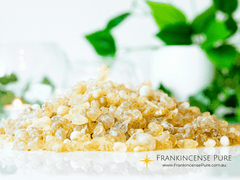
This June, we’re jazzing things up with one of our favourite frankincense and myrrh-style combinations: Commiphora kua and Boswellia sacra.
This beautiful resin duo brings together the golden, citrusy brightness of Boswellia sacra with the rich, smooth warmth of Commiphora kua. The kua adds a gorgeous caramel character, softened by a subtle honey sweetness that gives the blend a mellow, comforting depth.
Together, they create an aroma that is warm, resinous and beautifully balanced — bright frankincense notes layered with sweet, rounded Commiphora richness. It is elegant yet cosy, and perfect for slow-burning winter moments.
Our Jazz it up June mix is all about contrast and harmony: the clarity of frankincense meeting the caramel-honey warmth of kua, creating a favourite pairing with depth, sweetness and aromatic rhythm.
A beautiful blend to warm the winter air and bring a little extra jazz to June.


Opoponax Hadi Sweet Myrrh Somalia (Commiphora Guidotti)
from $11.25
NEW HARVEST! 23 May 2025
⭐️ Sustainably and ethically harvested at fair market rates. Love for earth with 100% compostable pouches. ⭐️
Indulge in the alluring aroma of this distinct Somalia-sourced Myrrh resin known as Opoponax, Hadi and Sweet Myrrh. From the Commiphora Guidotti species, this variant offers an aroma you won't find anywhere else - one that instantly captivates and enthralls. If you're looking to experience a Myrrh that has a noticeably different scent profile than that of the Commiphora Myrrha from Somalia, and a softer scent more similar to Commiphora Kua from Socotra Island Yemen (one of our personal favourites), this Myrrh resin is a must-try.
To ensure integrity and transparency, we regularly update our product photos to show our 'fresh current batch' of resins. Choose from a range of resin size to suit your personal needs.
To ensure our resins are always FRESH, we don't keep excess stock. When we sell out of our current batch, where possible we turn on our "Pre-Order" button which means you can reserve your NEW FRESH resins from our NEW FRESH HARVEST.
As we move through nature's seasons, enjoy the variation in colour and resin size, depending on the amount of rainfall for the season.
Usage Tips
Tip for burning on charcoal:
Once your charcoal disc is fully lit we recommend leaving it to cool for about 5-10 minutes or until it turns grey before placing your resin on top of the charcoal. This helps to release the natural oil from your resin without burning it with intense heat. Remember, once the bottom of your resin starts to burn, safely flip it over with a pair of mini tongs to get the most out of your resin. Tip for burning on a tea light burner:
After your resin has been gently heating for about 45 minutes (depending on your resin size and dimensions of your burner) you'll notice your resin may start to burn. This is when it needs to be turned over. We recommend using a pair of mini tongs to safely flip your resin over and squash it once it's been softened by the heat. Squashing the resin open will expose it to a greater surface area of heat which helps to optimise the benefits of your resin.
Tip if your resin size is too big:
We recommend using a hand mortar and pestle (or similar tool) to create your desired size (if required).
Storage & Safety
Storage:
Resins are a natural product and need to be stored with care. Store in a cool, dry place away from UV sunlight exposure.
Safety:
Here at Frankincense Pure we only recommend burning frankincense and myrrh resins. We understand there may be people who choose to chew or ingest, however, we are not medically trained and can only recommend resin to be enjoyed by being burnt safely – on either a charcoal or tealight incense burner, for aromatic purposes.
To safely burn incense, either on charcoal or in a tealight incense burner, ensure it’s out of sight and reach of children and pets and that the area is well ventilated. Never leave your burner unattended and always ensure your burner is placed and remains on a heat proof surface when in use, away from all flammable items. Brass, stainless steel and similar type burners remain HOT when in use, never handle when in use.


Kua Myrrh Socotra Island Yemen (Commiphora kua)
from $24.00
This extremely RARE myrrh resin is sourced from Socotra Island (Yemen) and is highly prized for its harmonious perfume-like aroma which is notably different to all other myrrh varieties. Due to its scarcity it can take months, if not longer, to secure this rare resin. Where possible we'll always try to offer pre-orders to ensure you don't miss out.
⭐️ Sustainably and ethically harvested at fair market rates. Love for earth with 100% compostable pouches. ⭐️
This one sells out quickly, it has become an absolute favourite both online and in-store.
To ensure integrity and transparency, we regularly update our product photos to show our 'fresh current batch' of resins. Choose from a range of resin size to suit your personal needs.
To ensure our resins are always FRESH, we don't keep excess stock. When we sell out of our current batch, we turn on our "Pre-Order" button which means you can reserve your NEW FRESH resins from our NEW FRESH HARVEST.
As we move through nature's seasons, enjoy the variation in colour and resin size, depending on the amount of rainfall for the season.
Tip: Kua is a particularly delicate resin and works best on a 'cool' charcoal. At home, we tend to pop Kua onto our charcoal towards the middle of the charcoal burning time. This helps to ensure Kua's incredible nectar-honey aroma that it's known for is released without a burnt smell. You can also protect the resin from burning by using a light sprinkle of sand on your charcoal.
This is a rare opportunity to experience Commiphora Kua.
Usage Tips
Tip for burning Kua: Kua is a particularly delicate resin and works best on a 'cool' charcoal. At home, we tend to pop Kua onto our charcoal towards the middle of the charcoal burning time. This helps to ensure Kua's incredible nectar-honey aroma that it's known for is released without a burnt smell. You can also protect the resin from burning by using a light sprinkle of sand on your charcoal.
Tip for burning on charcoal:
Once your charcoal disc is fully lit we recommend leaving it to cool for about 5-10 minutes (longer if burning Kua) or until it turns grey before placing your resin on top of the charcoal. This helps to release the natural oil from your resin without burning it with intense heat. Remember, once the bottom of your resin starts to burn, safely flip it over with a pair of mini tongs to get the most out of your resin. Tip for burning on a tea light burner:
After your resin has been gently heating for about 45 minutes (depending on your resin size and dimensions of your burner) you'll notice your resin may start to burn. This is when it needs to be turned over. We recommend using a pair of mini tongs to safely flip your resin over and squash it once it's been softened by the heat. Squashing the resin open will expose it to a greater surface area of heat which helps to optimise the benefits of your resin.
Tip if your resin size is too big:
We recommend using a hand mortar and pestle (or similar tool) to create your desired size (if required).
Storage & Safety
Storage:
Resins are a natural product and need to be stored with care. Store in a cool, dry place away from UV sunlight exposure.
Safety:
Here at Frankincense Pure we only recommend burning frankincense and myrrh resins. We understand there may be people who choose to chew or ingest, however, we are not medically trained and can only recommend resin to be enjoyed by being burnt safely – on either a charcoal or tealight incense burner, for aromatic purposes.
To safely burn incense, either on charcoal or in a tealight incense burner, ensure it’s out of sight and reach of children and pets and that the area is well ventilated. Never leave your burner unattended and always ensure your burner is placed and remains on a heat proof surface when in use, away from all flammable items. Brass, stainless steel and similar type burners remain HOT when in use, never handle when in use.

Sacred Myrrh Socotra Island Yemen (Commiphora myrrha)
from $20.00
⭐️ Sustainably and ethically harvested at fair market rates. Love for earth with 100% compostable pouches. ⭐️
This rare and sacred myrrh is sourced from Socotra Island (Yemen). Whether you're an enthusiast or starting to explore the world of myrrh, this one is special. Due to its scarcity it can take months, if not longer, to secure this rare resin. Where possible we'll always try to offer pre-orders to ensure you don't miss out.
Limited quantities available. This is a rare opportunity to experience Sacred Myrrh from Socotra Island.
To ensure integrity and transparency, we regularly update our product photos to show our 'fresh current batch' of resins. Choose from a range of resin size to suit your personal needs.
To ensure our resins are always FRESH, we don't keep excess stock. When we sell out of our current batch, we turn on our "Pre-Order" button which means you can reserve your NEW FRESH resins from our NEW FRESH HARVEST.
As we move through nature's seasons, enjoy the variation in colour and resin size, depending on the amount of rainfall for the season.
Usage Tips
Tip for burning on charcoal:
Once your charcoal disc is fully lit we recommend leaving it to cool for about 5-10 minutes or until it turns grey before placing your resin on top of the charcoal. This helps to release the natural oil from your resin without burning it with intense heat. Remember, once the bottom of your resin starts to burn, safely flip it over with a pair of mini tongs to get the most out of your resin. Tip for burning on a tea light burner:
After your resin has been gently heating for about 45 minutes (depending on your resin size and dimensions of your burner) you'll notice your resin may start to burn. This is when it needs to be turned over. We recommend using a pair of mini tongs to safely flip your resin over and squash it once it's been softened by the heat. Squashing the resin open will expose it to a greater surface area of heat which helps to optimise the benefits of your resin.
Tip if your resin size is too big:
We recommend using a hand mortar and pestle (or similar tool) to create your desired size (if required).
Storage & Safety
Storage:
Resins are a natural product and need to be stored with care. Store in a cool, dry place away from UV sunlight exposure.
Safety:
Here at Frankincense Pure we only recommend burning frankincense and myrrh resins. We understand there may be people who choose to chew or ingest, however, we are not medically trained and can only recommend resin to be enjoyed by being burnt safely – on either a charcoal or tealight incense burner, for aromatic purposes.
To safely burn incense, either on charcoal or in a tealight incense burner, ensure it’s out of sight and reach of children and pets and that the area is well ventilated. Never leave your burner unattended and always ensure your burner is placed and remains on a heat proof surface when in use, away from all flammable items. Brass, stainless steel and similar type burners remain HOT when in use, never handle when in use.

Aksha Myrrh Socotra Island Yemen (Commiphora Ornifolia)
from $21.25
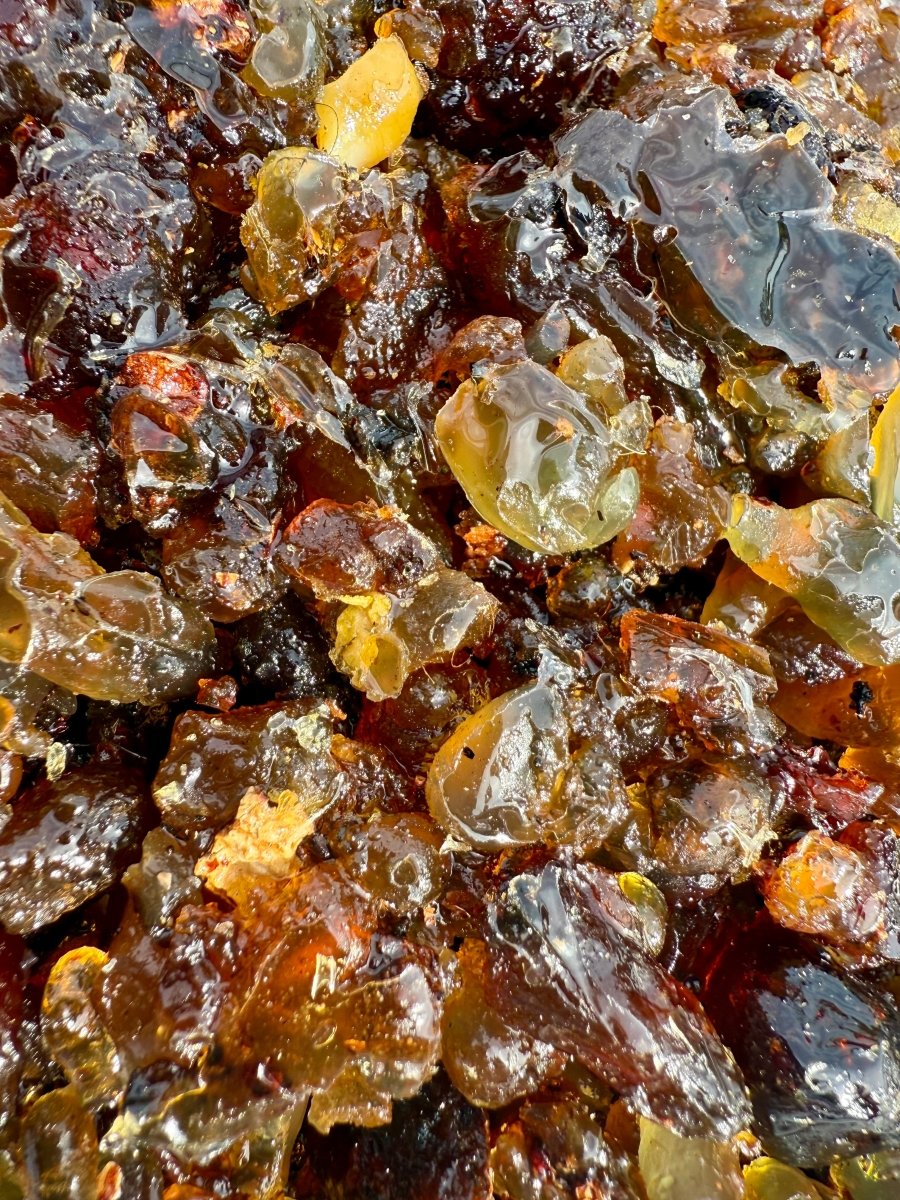
Aksha Myrrh is Extremely RARE and hails from Socotra Island's Commiphora Ornifolia tree. Aksha Myrrh (Commiphora Ornifolia) is very different to any other myrrh we've tried, but probably most similar to Commiphora Mukul and Commiphore Wightii with a sweet, syrupy aroma with a hint of spice. We find this scent highly nuanced and keeps you wanting to enjoy the symphony of aromatic notes.
For those that have not yet tried these other Myrrh resins, one could liken Aksha Myrrh of the Commiphora Ornifolia tree to Kua Myrrh (Commiphora Kua) from Socotra Island Yemen, however the scent profile is slightly different, while very enticing in its own way.
Aksha Myrrh (Commiphora Ornifolia) is very sticky, which could be one reason why it's only collected in small quantities and is reportedly used by locals mainly for medicinal purposes to aid in digestion.
We love the aroma of this resin, particularly on our Ceramic Tea Light Incense Burner and Brass Adjustable Tea Light Burner because the resin melts very smoothly.
On a Charcoal Incense Burner a smaller piece goes a long way and the aroma wafts through the air beautifully.
Guggul Myrrh India (Commiphora Wightii) Mukul
from $13.75
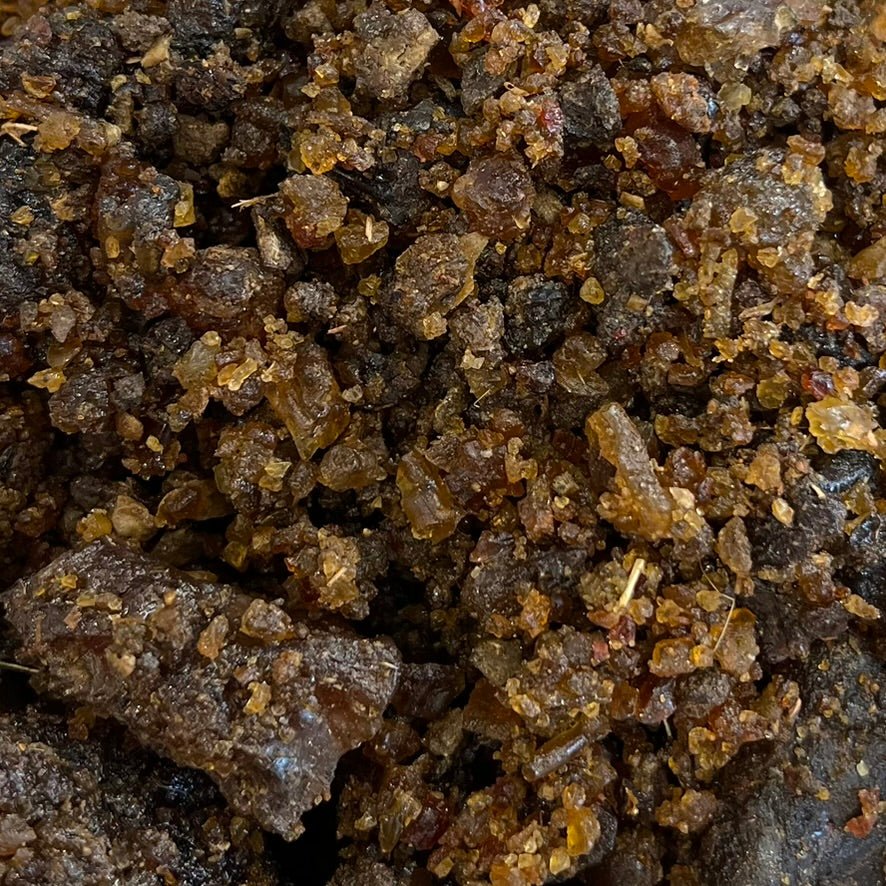
Guggul (Sweet Myrrh) has a pleasant and calming aroma that is similar to Opoponax Commiphora Erythrea and Opoponax Hadi Sweet Myrrh (Commiphora Guidotti) from Somalia.
When burned, Guggul resin releases a complex and sweet fragrance, making it a popular choice. However, the scent of Guggul is distinct from the more well-known Myrrh from Somalia (Commiphora Myrrha) and Yemen, which have deeper, woodier fragrances.
This versatile resin is also referred to as Commiphora Wightii, Commiphora Mukul, Indian bdellium, gugal, guggulu, guggal, gugul, mukul myrrh tree, and belongs to the flowering plant family, Burseraceae.
Originating from western India, it was later introduced to southern Pakistan and throughout the Middle East.


Parvifolia Myrrh Socotra Island Yemen (Commiphora Parvifolia)
from $30.00
Commiphora Parvifolia: The Rare Socotran Myrrh Tree
Hidden on the remote island of Socotra lies one of the world’s rarest myrrh-producing trees, Commiphora parvifolia. This species stands as a testament to the extraordinary biodiversity of this isolated archipelago, where evolution has crafted species found nowhere else on Earth. Belonging to the Burseraceae family, commonly known as the frankincense and myrrh family, it is part of the diverse genus Commiphora, which encompasses approximately 190 species globally. While most Commiphora species are found in tropical east Africa, the Arabian Peninsula, and parts of Asia, some, such as Commiphora leptophloeos Arn., also occur in the Americas, particularly southeastern Brazil.
As an endemic species limited exclusively to Socotra Island, Commiphora parvifolia represents both botanical treasure and conservation challenge. The genus Commiphora has captivated researchers and traditional cultures for centuries, with several species like Commiphora mukul (Wight), Commiphora molmol (Nees), and Commiphora kua Berg providing valuable resins for medicinal purposes throughout tropical east Africa, the Arabian Peninsula, and beyond. The genus is especially abundant in the tropics, including tropical regions of Africa, the Arabian Peninsula, and parts of Asia. The genus Commiphora includes around 190 species widely distributed throughout the dry areas of the Old World tropics. While many species within this genus produce commercially valuable oleo gum resin, Commiphora parvifolia remains one of the most elusive and least understood members of this ancient lineage. In Yemen, the bark of Commiphora parvifolia is traditionally used for embalming, highlighting its cultural and practical significance. The resin of Commiphora parvifolia is sustainably harvested by local Socotri harvesters on Socotra Island, ensuring the preservation of this rare species while supporting traditional practices. This resin is considered a living heritage of Socotra, making it highly sought after by collectors.
Resin Properties
The significance of this tree extends beyond its rarity. Its aromatic resin production, distinctive morphological features, and unique chemical composition make it a subject of intense scientific interest. India plays a significant role in the traditional use and research of Commiphora species, especially in Ayurvedic medicine. Recent research into its essential oils and secondary metabolites has revealed fascinating insights into how plants adapt to extreme environmental conditions while maintaining their capacity to produce complex compounds with potential biological activity. The chemical composition of Commiphora parvifolia has been analyzed using advanced techniques such as gas chromatography–mass spectrometry (GC-MS) and HS-SPME-GC-MS. The HS-SPME technique is one of the preferred methods for extracting and analyzing volatile compounds from Commiphora resins. Numerous scientific articles have been published on the genus Commiphora, covering aspects such as phytochemistry, pharmacology, and traditional uses, in accordance with the latest research standards. Notably, Commiphora parvifolia acts as a uterine stimulant, adding to its diverse pharmacological profile.
Desert herb undertones provide additional complexity to the aromatic signature, distinguishing Socotran resins from those produced by Commiphora species in other regions. These subtle notes likely result from the unique environmental conditions of Socotra, where the extreme aridity and limestone-rich soils influence the tree’s metabolic processes and secondary metabolite production. Commiphora parvifolia resin has a delicate, woody-balsamic aroma with notes of honeyed citrus and desert herbs, further enhancing its uniqueness.
Annual yield remains extremely limited, with recent harvest seasons producing very few kilograms of resin. This scarcity reflects both the limited population size and the sustainable harvesting practices necessary to preserve the species. Each piece of resin represents a significant investment of time and careful stewardship by local collectors who understand the importance of maintaining healthy tree populations.
The quality of the resin depends heavily on proper harvesting timing and post-collection processing. Hand-selection ensures only the highest quality pieces reach commercial markets, while sun-drying preserves the volatile compounds that give the resin its distinctive properties. This traditional processing maintains the integrity of the bioactive components that make the resin valuable for medicinal purposes and aromatic applications. Myrrh, including that from Commiphora parvifolia, is known to promote wound healing and regulate lipid metabolism, adding to its medicinal significance.
Traditional Uses
For centuries, the genus Commiphora has played a vital role in traditional medicine, and daily life across tropical east Africa, the Arabian Peninsula, and beyond. Several species, including Commiphora mukul (Wightii) and Commiphora molmol (Nees), produce aromatic dried resin known as myrrh, valued for diverse uses. Myrrh is important in traditional Chinese, Ayurvedic, and Arabic medicine, treating ailments such as stomach aches, colds, fevers, and malaria.
Medicinally, the dried resin is prized for analgesic and antiseptic properties, used to relieve pain, inflammation, infections, and promote wound healing. It has been applied for toothache, digestive issues, skin conditions, and respiratory infections. Commiphora parvifolia is traditionally used for diarrhea and dysentery. Myrrh also treats trauma, arthritis, hyperlipidemia, chest pain, gynecological conditions, and wounds. The resin exhibits antiseptic, wound healing, emmenagogue, hypolipidemic, analgesic, antitumoral, antioxidant, antidiabetic, cardioprotective, hepatoprotective, antiulcer, and anti-inflammatory effects.
Beyond healing, Commiphora resin is valued for its unique fragrance in perfumery and aromatherapy. Essential oils rich in compounds like α-pinene and sesquiterpenes contribute to its soothing and restorative qualities.
Modern research supports many traditional uses, identifying secondary metabolites responsible for its medicinal effects. Compounds such as α-pinene, sesquiterpenes, and triterpenes underlie its analgesic, antiseptic, and anti-inflammatory properties. Studies also highlight myrrh’s anti-tumor, antioxidant, antibacterial, and neuroprotective potential. Guggulsterone, a notable compound, exhibits anti-proliferative, antioxidant, anti-inflammatory, and antibacterial activities.
Geographic Distribution and Habitat
Commiphora parvifolia is a true endemic species, found only on Socotra Island in the Arabian Sea. This isolation has shaped its ecology and evolution, making it one of the most geographically restricted trees globally. It prefers gravelly soils and the arid desert conditions of Socotra.
Adapted to extreme climates with annual rainfall below 150mm and summer temperatures above 40°C, the tree has specialized features for water conservation and heat tolerance. It grows in dry, desert, or open bushland habitats, mainly in Africa and the Arabian Peninsula.
Within Socotra’s unique ecosystem, Commiphora parvifolia serves as a key structural plant and resource for local fauna. Specimens are found up to 1,000 meters elevation, especially in the Homhil escarpment area with limestone soils.
Population data are scarce, with only 13 observations on platforms like iNaturalist, reflecting either rarity or limited study. Threats include overgrazing, climate change, and vulnerability due to its restricted range.
This species’ unique characteristics, shaped by millions of years of isolated evolution, distinguish it from other Commiphora species and make it important for studying plant adaptation in island environments.
Botanical Characteristics
The physical appearance of Commiphora parvifolia immediately sets it apart from its relatives within the genus Commiphora. Mature specimens can reach impressive heights of 12-20 meters, with stem diameters ranging from 15-25 centimeters, making them substantial trees by Socotran standards. This size distinguishes them from many other Commiphora species, which often remain shrubby in similar arid environments.
The leaf structure of Commiphora parvifolia bears interesting similarities to Boswellia socotrana, another endemic resin-producing tree of Socotra, yet maintains distinct characteristics. The leaves are notably shorter with fewer leaflets compared to related species, reflecting the “parvifolia” epithet meaning “small leaves.” This morphological adaptation likely represents an evolutionary response to the island’s arid climate, where reduced leaf surface area helps minimize water loss through transpiration.
The distinctive tree habit of Commiphora parvifolia allows experienced botanists to identify it from considerable distances. The branching pattern, overall silhouette, and growth form create a unique profile that differentiates it from other Commiphora species found elsewhere. Field researchers note that the bark characteristics include the typical Commiphora feature of exfoliating in thin sheets, often revealing photosynthetic tissue underneath that can continue producing energy even when the tree is leafless during severe drought periods.
Resin secretion points occur naturally along the bark, where the tree produces its valuable aromatic compounds. These secretions serve multiple functions, including protection against pests and healing of mechanical damage to the bark. The resin’s antimicrobial properties, demonstrated through traditional uses and modern research, suggest these compounds evolved as chemical defenses against the diverse microorganisms present in Socotra’s unique environment.
Seasonal growth patterns in Commiphora parvifolia reflect the extreme variability of Socotra’s climate. During the brief wet season, the tree maximizes growth and leaf production. However, during the prolonged dry periods that characterize most of the year, the species enters dormancy, shedding leaves and relying on stored water and nutrients. These adaptation features showcase millions of years of evolution fine-tuning survival strategies for one of Earth’s most challenging environments.
Chemical Composition and Volatile Compounds
Recent scientific investigations utilizing HS-SPME-GC/MS analysis have revealed fascinating insights into the chemical composition of Commiphora parvifolia specimens collected from Socotra. These advanced analytical techniques have identified a complex profile of volatile compounds that contribute to the species’ distinctive aromatic properties and potential medicinal value.
The volatile oil profile shows a predominance of monoterpenes, a class of compounds common throughout the genus Commiphora but with species-specific variations. Research has identified significant concentrations of limonene, a compound known for its citrusy aroma and various biological activities. The presence of β-caryophyllene and humulene, both sesquiterpene compounds, adds complexity to the chemical signature and may contribute to the resin’s traditional uses for treating various ailments. In addition to resin, phytochemical studies have also analyzed compounds derived from the stems of Commiphora parvifolia to evaluate their bioactive potential.
Compared to other Commiphora species like Commiphora molmol (Nees) or Commiphora mukul (Wight), the volatile composition of Commiphora parvifolia shows both similarities and unique characteristics. While α-pinene appears in many Commiphora species, the specific ratios and presence of additional components create a distinct chemical fingerprint. These differences may be attributed to the isolated evolution on Socotra, where the absence of certain environmental pressures and the presence of others has shaped the tree’s metabolic pathways.
Environmental factors significantly influence the chemical composition of the essential oils. Altitude and microclimatic conditions across Socotra’s varied landscape can lead to variations in secondary metabolites production. Trees growing at higher elevations may produce different compound ratios compared to those in coastal areas, reflecting adaptation to specific environmental stresses.
The methods used for extraction and analysis follow established protocols for studying plant essential oils. Researchers have utilized steam distillation and other techniques to isolate the volatile components, followed by gas chromatography-mass spectrometry for identification and quantification of individual compounds. Linear Retention Indices (LRIs) were calculated based on GC-MS measurements to standardize compound identification and allow comparison with literature values. These scientific approaches ensure reliable data for understanding the tree’s chemical properties and potential applications.
Cultivation and Growing Requirements
Successfully cultivating Commiphora parvifolia (Engl.) outside its native Socotra habitat requires careful attention to its specialized environmental needs. The species demands full sun exposure throughout the day, reflecting its adaptation to the intense solar radiation of its desert homeland. Indoor cultivation presents unique challenges, as the plants require positioning within three feet of south-facing windows to receive adequate light intensity. Commiphora parvifolia prefers to grow in gravely soil and requires full sun, mirroring the conditions of its natural habitat. Commiphora parvifolia can be grown outdoors in USDA Hardiness Zones 9a-11b.
The watering schedule proves critical for healthy growth and survival. During active growing periods, typically corresponding to the warmer months, plants should receive water every nine days. This seemingly sparse schedule actually mimics the natural rainfall patterns of Socotra, where precipitation occurs in brief, intense episodes followed by extended dry periods. Overwatering represents one of the most common causes of cultivation failure, as the species has evolved sophisticated water storage mechanisms that become overwhelmed by excessive moisture.
Summer water requirements differ significantly from winter care protocols. While the growing season demands regular but measured irrigation, winter brings the need for complete dormancy. During the coldest months, Commiphora parvifolia should receive no water whatsoever, allowing the plant to enter its natural resting phase. This dormancy period proves essential for proper flowering and resin production in mature specimens.
Indoor cultivation success depends heavily on understanding the species’ light requirements. Insufficient illumination quickly leads to leaf drop and overall decline, as the plants cannot photosynthesize effectively in low-light conditions. Growers often supplement natural light with full-spectrum grow lights to maintain healthy specimens, particularly in higher latitudes where winter daylight hours become severely limited. Commiphora parvifolia requires ample sunlight to thrive and may drop leaves without it, emphasizing the importance of replicating its natural light conditions.
Common cultivation issues include leaf drop from both insufficient light and overwatering. The species exhibits remarkable sensitivity to these stressors, often responding within days to improper care. Successful cultivators learn to recognize the subtle signs of stress and adjust their care accordingly, understanding that the tree’s natural habitat provides harsh but consistent conditions that must be replicated as closely as possible.
The adaptation of Commiphora parvifolia to container cultivation requires specialized soil mixtures that provide excellent drainage while retaining minimal moisture. Commercial cactus mixes often serve as suitable base materials, though many growers prefer to create custom blends incorporating pumice, coarse sand, and minimal organic matter to better replicate the gravelly soils of Socotra.
Conservation Status and Research
Current documentation of Commiphora parvifolia populations relies heavily on citizen science platforms, with iNaturalist recording only 13 observations to date. This limited dataset highlights both the species’ rarity and the need for more comprehensive field surveys to accurately assess population size and distribution patterns across Socotra. The paucity of observations may reflect either genuine scarcity or insufficient scientific attention to this endemic species.
Research efforts focusing on volatile compound analysis represent the most significant recent advances in understanding Commiphora parvifolia. Studies utilizing advanced analytical methods have identified the complex chemical composition of the species’ essential oils, providing insights into both taxonomic relationships and potential applications. These investigations contribute to the broader understanding of how isolated evolution has shaped the unique characteristics of Socotran flora.
Conservation concerns center on the species’ extremely limited distribution and increasing pressures from human activities on Socotra. Overgrazing by introduced livestock poses a significant threat to regeneration, as young seedlings face intense browsing pressure that can prevent successful establishment. Climate change adds another layer of uncertainty, as shifting rainfall patterns and increasing temperatures may push the species beyond its adaptive limits.
The need for sustainable cultivation programs outside the native habitat has become increasingly apparent as wild populations face mounting pressures. Botanical gardens, research institutions, and private collectors worldwide are working to establish ex-situ conservation populations that could serve as genetic reservoirs for the species. These efforts require international cooperation and sharing of expertise to overcome the challenges of cultivating such a specialized species.
Future research directions encompass both phytochemical and pharmacological studies aimed at better understanding the species’ potential applications and biological significance. Further pharmacology studies are needed to evaluate the therapeutic potential and mechanisms of action of Commiphora parvifolia's bioactive compounds. Investigations into the bioactive compounds present in the resin may reveal novel therapeutic properties that could justify conservation investments while providing sustainable economic incentives for protection efforts. While the resin is traditionally used for medicinal purposes, its safety for humans should be evaluated through clinical studies to ensure there are no adverse effects.
The collaboration between international researchers and local Socotran communities represents a crucial component of effective conservation strategies. Local knowledge about traditional harvesting practices, ecological relationships, and historical population changes provides invaluable context for scientific studies and conservation planning. These partnerships also ensure that conservation benefits directly support the communities most closely connected to the species.
Habitat protection efforts on Socotra require careful balance between conservation goals and the legitimate needs of local communities. Sustainable tourism, controlled grazing, and habitat restoration projects offer potential pathways for protecting Commiphora parvifolia while supporting economic development on the island. The unique biodiversity of Socotra, including endemic species like Commiphora parvifolia, represents a global heritage that justifies international conservation investment.
Long-term monitoring programs are essential for tracking population trends and assessing the effectiveness of conservation interventions. Regular surveys, genetic sampling, and demographic studies will provide the data necessary to adapt management strategies as conditions change. Long-term studies should assess the normal physiological and ecological parameters of Commiphora parvifolia populations to detect changes over time. These programs require sustained funding and institutional commitment over decades to achieve meaningful conservation outcomes.
The broader significance of Commiphora parvifolia extends beyond its intrinsic value as a unique species. As a representative of Socotra’s extraordinary endemic flora, it serves as an indicator of ecosystem health and a symbol of what stands to be lost without effective conservation action. The species embodies millions of years of evolutionary history and adaptation that, once lost, cannot be recreated.


Opoponax Hagar Sweet Myrrh from Somalia (Commiphora Erythraea)
from $16.25
Opoponax Myrrh Commiphora erythraea “Hagar” from Somalia aka Sweet Myrrh: Your Guide to Premium Aromatic Resin for Incense & Fragrance
By Frankincense Pure
Opoponax myrrh, derived from the Commiphora erythraea tree, is celebrated for its distinctive aromatic properties and historical usage in incense and fragrance applications. Opoponax myrrh is a fragrant resin obtained from a tree native to Somalia, prized for its warm, sweet-smelling aromatic qualities and traditional uses, hence the name Sweet Myrrh.
What Are the Botanical Features of Commiphora erythraea and Opoponax Myrrh?
Commiphora erythraea is a small tree or shrub endemic to Somalia, recognized for its distinct aromatic resin—Hagar myrrh. The plant thrives in dry, arid climates and plays a significant role in local ecosystems. Its resin is produced when trees undergo tapping or naturally through environmental factors, leading to a unique secretion known for its rich fragrance and therapeutic properties. This resin not only serves as a vital source of incense but is also pivotal to traditional medicine in various cultures.
How Does the Commiphora erythraea Tree Produce Hagar Myrrh Resin?
The process of resin production in the Commiphora erythraea tree begins when the bark is slashed or otherwise tapped. This initiates the tree's natural defense mechanism, causing it to produce a thick, aromatic sap that hardens upon exposure to air. Various environmental conditions, such as heat and humidity, can influence the quality and characteristics of the resin produced. The careful harvest of this resin sustains traditional practices while supporting ecological balance.
What Makes Opoponax Different from Other Myrrh Resins?
Opoponax myrrh is unique due to its specific aromatic profile, often characterized by its sweet, balsamic scent with a hint of citrus undertones. This differentiates it from other myrrh varieties, which may have more bitter or earthy aromas such as Commiphora Myrrha from Somalia and Commiphora Myrrha from Yemen. Additionally, the burning characteristics of Opoponax myrrh are notable; it releases a softer, sweeter aroma compared to its counterparts, making it a preferred choice for incense and aromatic applications, and is quite delightful similar to Commiphora Kua Myrrh from Socotra Island Yemen.
What Does Opoponax Myrrh Smell Like? Opoponax myrrh delights the senses with a warm amber glow, wrapped in sweet vanilla and soft balsamic undertones. Its earthy depth adds complexity, unfolding beautifully from the moment it is lit to the gentle, lingering dry-down aroma that evokes comfort and calm. This evolving scent profile enhances its treasured status among fragrance connoisseurs.
What Makes Opoponax Myrrh from Somalia So Special? The terroir of the Bari and Sanaag regions in Somalia contributes profoundly to the resin's exceptional qualities. These areas are characterized by a unique microclimate: hot, dry days tempered by seasonal monsoon winds that bring brief periods of humidity, stimulating resin flow without compromising purity. The calcareous soil composition rich in limestone further influences the mineral uptake by the Commiphora erythraea trees, enhancing the depth and complexity of the resin's aroma. As monsoonal patterns shift, they affect the quantity and olfactory nuances of the resin produced, differentiating Somali Opoponax from other regional varieties. This intricate interplay of climate, soil, and seasonality endows Hagar myrrh with its signature sweet, balsamic character and exquisite fragrance layers.
How Is Hagar Myrrh Traditionally and Modernly Used in Incense and Fragrance?
Hagar myrrh has been utilized for centuries both in traditional practices and as a natural fragrance. Its rich, warm aroma has made it a staple in incense formulations, often used in perfumes. Today, its applications have expanded into modern fragrance production, where it is cherished for its ability to create complex scent profiles in various products.
Burning Guide
[Video: How to Burn Frankincense Resin with Charcoal— 3 min]
This video demonstrates the most common method of enjoying Myrrh and Frankincense through charcoal burning. It highlights the slow, aromatic smoke release and the careful placement of resin pieces, preserving traditional heritage.
What Are the Aromatic Profiles and Benefits of Opoponax Myrrh?
The aromatic profile of Opoponax myrrh is complex and layered. It is known to promote relaxation making it a popular choice for aromatherapy. The resin’s reported calming properties may help to reduce stress and anxiety, adding to its appeal in modern wellness practices.
Traditional Somali medicinal uses of Hagar myrrh extend beyond fragrance; it historically serves as a natural remedy in wound healing, antiseptic treatments, and oral health care, highlighting its antimicrobial potential. Modern pharmaceutical research confirms these properties, examining Opoponax myrrh's effectiveness against various pathogens, thus validating age-old practices. Artisan perfumers value Opoponax resin for its role as a natural fixative, enhancing longevity and depth in niche fragrance compositions without synthetic additives.
When burning Opoponax myrrh traditionally, Somali practitioners employ the “dunqal” method—resin pieces placed on glowing charcoal within a specialized clay vessel release a slow, fragrant smoke. Modern electric resin burners now offer temperature control that optimizes aroma release, preserving delicate notes and preventing resin scorching, thus adapting ancient practices to contemporary convenience.
Aroma Type
Scent Profile
Therapeutic Benefit
Essential Oil Profile
Recommended Blending Partners
Opoponax
Sweet, balsamic
Relaxation and stress relief
High in sesquiterpenes, warm, resinous notes
Frankincense, Copal
Other Myrrh Resins
Woody, earthy
Relaxation and stress relief
Rich in terpenes with woody and herbal nuances
Frankincense, Copal
How Do Traditional Practices Influence Today's Uses of Somali Myrrh?
Traditional practices surrounding the use of Hagar myrrh continue to shape its modern applications. Indigenous communities have used myrrh for healing and religious purposes, contributing to the widespread recognition of its benefits. These historical insights offer invaluable knowledge for modern practitioners and consumers, ensuring that the cultural significance of these practices is honored. As the demand for natural and organic products rises, the traditional knowledge of resin use holds substantial relevance.
The Science Behind the Scent: Chemical Composition of Opoponax Myrrh
The distinctive aroma of Opoponax myrrh is primarily the result of a complex blend of sesquiterpenes, esters, and furanosesquiterpenoids. The sesquiterpenes—such as α-santalene, δ-elemene, and β-bisabolene—form the warm, resinous backbone of the scent profile, contributing to its rich and persistent base notes. Esters present in the resin are largely responsible for the sweet, balsamic nuances that imbue Opoponax with its characteristic softness and subtle fruity undertones. Additionally, furanosesquiterpenoids play a crucial role during the balsamic dry-down phase, imparting a gentle, slightly smoky complexity that enriches the scent's evolution over time.
When heated—such as during burning or distillation—these compounds interact differently than when cold. The thermal activation enhances the volatility of lighter esters and sesquiterpenes, releasing a dynamic bouquet that transitions from sweet top notes to deeper, balsamic base accords. In contrast, cold extraction preserves the resin’s more subtle olfactory nuances, including delicate furanosesquiterpenoids, making cold-pressed essential oils prized for nuanced perfumery applications. These chemical distinctions have been reviewed extensively in peer-reviewed studies, such as those published in the Journal of Essential Oil Research and Phytochemistry, highlighting the intricate biochemistry behind Opoponax's beloved fragrance.
Why Does Ethical Sourcing Matter for Somali Opoponax Myrrh?
Ethical sourcing is vital for ensuring the quality and sustainability of Opoponax myrrh. When harvested responsibly, the resin supports local ecosystems and the livelihoods of communities in Somalia. Ethical practices promote environmental sustainability and guarantee that the unique properties of Hagar myrrh are preserved for future generations.
Organizations such as Frankincense Pure endeavour to ensure sustainable and ethical practices. Often local community cooperative structures in Puntland and Somaliland empower local harvesters, fostering transparency and equitable benefit distribution.
What Benefits Do Ethical Standards Bring to Resin Quality and Communities?
The ethical standards adhered to during harvesting significantly influence the quality of resin. High-quality, ethically sourced Opoponax myrrh tends to have greater aromatic richness, providing consumers with a superior product. Furthermore, communities benefit from stable livelihoods and better economic opportunities, fostering a sustainable approach to resource management.
How Can You Identify and Purchase Pure Opoponax Myrrh Resin?
Identifying high-quality Opoponax myrrh requires attention to specific characteristics. Pure Hagar myrrh boasts a vibrant resin color that can vary from light to dark amber, with a distinct aroma that reflects its purity.
What Are Key Quality Indicators for Authentic Hagar Resin?
Key indicators of authentic Hagar resin include:
Color: A range of amber tones from light golden to deep reddish-brown reflects genuine resin quality and maturation stages, indicative of specific harvest periods and aging processes.
Aroma: Pure resin should have a rich, sweet, and balsamic scent with no signs of synthetic or chemical odors.
Freshness: Recently harvested resin possesses a more potent, nuanced fragrance
Texture: Fresh authentic resin displays a less oxidised appearance
Olfactory Benchmarks: Beware of resin with overly sharp or sour scents, which may signal adulteration or inferior grades diluted with other resins.
By recognizing these indicators, consumers can make informed decisions when purchasing Opoponax myrrh.
Where Can You Buy Premium Somali Opoponax Myrrh with Confidence?
For those looking for authentic Opoponax myrrh, it is essential to seek reputable suppliers. Frankincense Pure is dedicated to providing high-quality Somali Opoponax myrrh, ensuring each product is of an exceptionals standard. Purchasing from trusted vendors guarantees that customers receive genuine resin that meets the highest standards.
How to Identify Authentic Somali Opoponax Myrrh
Authentic Somali Opoponax myrrh exhibits distinct visual and olfactory features that aid identification. Visually, the resin ranges in color from golden amber to a deep reddish-brown, depending on the harvesting season and age. Fresh pieces often possess a translucent quality with an inviting warm glow. Texture tests can further differentiate resin authenticity; newly harvested Opoponax offers a pleasant brittleness but gains slight elasticity upon aging, a sign of genuine composition. Olfactory evaluation remains crucial: pure resin emits a layered aroma with sweet, balsamic top notes and a complex earthy dry-down typical of furanosesquiterpenoids. Smells that are overly harsh, chemical-like, or flat can indicate adulteration or low-grade resin. Such sensory and tactile assessments ensure that buyers can confidently discern premium Somali Opoponax products.
How should I store Opoponax Myrrh resin?
Store Opoponax myrrh resin in a cool, dry place away from direct sunlight and strong odors to preserve its aromatic qualities. An airtight container helps maintain freshness and prevents moisture absorption.
Can Opoponax Myrrh be used in skincare?
Opoponax myrrh can be incorporated into skincare products for its soothing and antimicrobial effects. However, always use it diluted and perform a patch test to avoid skin irritation. Consult a dermatologist if pregnant, nursing, or having sensitive skin.
What is the shelf life of raw Opoponax resin?
Raw Opoponax resin typically has a shelf life of several years if stored properly, retaining its fragrance and therapeutic properties over time.
What Our Customers Say
"The aroma of this Opoponax myrrh is simply exquisite — warm, inviting, and lasting. It fills my space with a sense of calm and elegance. The burning quality is smooth and smoke gentle, perfect for my meditation sessions." Melbourne, AU
"I was impressed by the authenticity of the resin. It’s fresh, complex, and burns beautifully using my electric burner. Knowing it’s ethically sourced makes the experience even better." London, UK
"This is the real deal! The resin’s sweet balsamic scent carries so many subtle layers and it burns cleanly on charcoal. Frankincense Pure’s quality and transparency shine through."New York, USA
Product Specifications
Specification
Details
Origin
Somalia
Botanical Name
Commiphora erythraea
Common Name
Opoponax Myrrh "Hagar"
Harvest Method
Sustainable wild harvest
Processing
Sun-dried raw resin tears
Packaging
Airtight glass jar with humidity seal
Shelf Life
5+ years when stored properly
Weight Options
10g / 50g / 200g / 500g / 1kg
References & Further Reading
Smith et al. (2020). Chemical Composition and Antimicrobial Activity of Commiphora erythraea Resin. Journal of Ethnopharmacology.
Johnson & Lee (2019). Aromatherapy Safety Guidelines: Essential Oil Usage and Precautions. Complementary Therapies in Medicine.
Ahmed et al. (2021). Traditional Somali Medicine and Wound Care: A Clinical Review. African Journal of Traditional Complementary and Alternative Medicines.
Brown (2018). The Use of Opoponax Resin as a Fixative in Historical Perfumery. Flavour and Fragrance Journal.
Davies et al. (2022). Antimicrobial properties of Commiphora spp. resins: A systematic review. Journal of Applied Microbiology.
Hassan & Yusuf (2019). Conservation Status of Commiphora erythraea in the Horn of Africa. Biodiversity and Conservation.
Omar et al. (2020). Ethnobotanical uses of resins in traditional Somali medicine. Economic Botany.
Discover the Distinctive Opoponax Myrrh from Frankincense Pure
Experience the unparalleled aroma and purity of ethically sourced Somali Opoponax myrrh. Our commitment to sustainability, community support, and quality ensures you receive nothing but premium resin. Explore our carefully curated collection today and enrich your incense and fragrance practices with the finest Hagar myrrh available.